
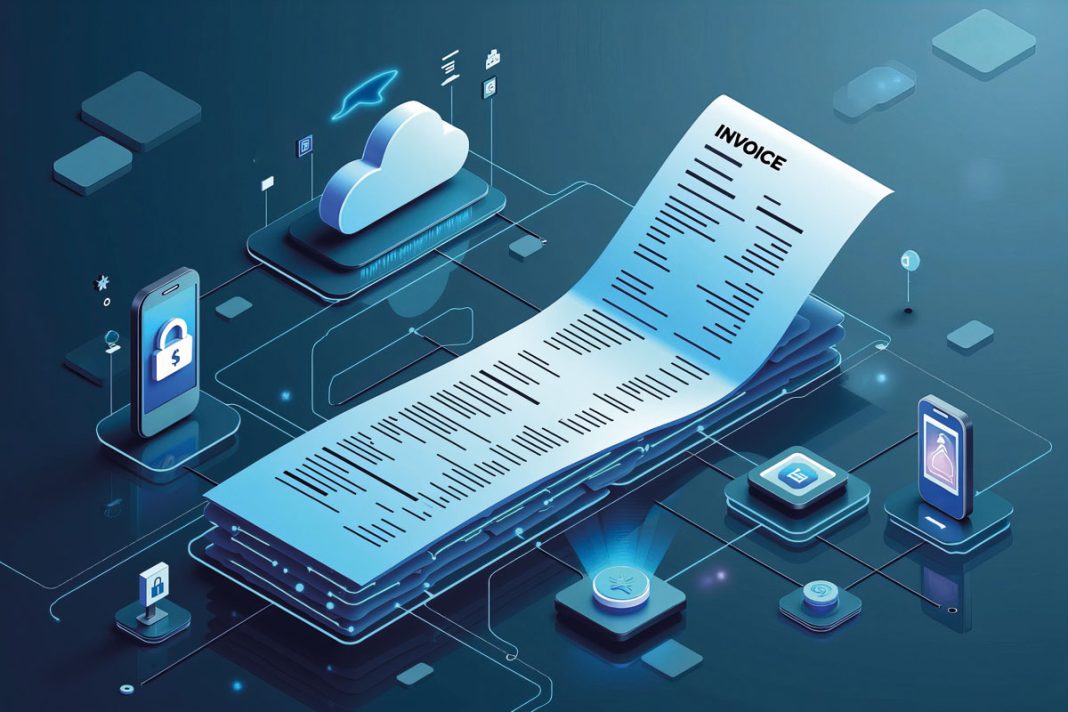

Since September 1, all companies subject to VAT, without size exception, should be able to receive electronic invoices via a state-approved platform. This major change which concerns nearly 10 million economic actors in France comes at the worst time : when payment delays reach their peak and permanently weaken the cash flow of small structures.
There were many of them, VSE managers, to think you have until 2027 to act ! This is true for issuing invoices but since September 1, every company must be able to receive it. On this date, large companies as well as mid-sized companies, energy suppliers or telephone operators will only use electronic means to send their invoices. A VSE not connected to an approved platform will simply no longer be able to receive them : there will therefore be no more electricity bill, no more phone bill and eventually, there will be cut lines for lack of payment. The reform imposes structured formats (Made-10, UBL, CII), mandatory transmission via a platform approved by the State and before all that, prior work on its flows : map your invoices issued and received, ensure that your accounting software is compatible, and choose your platform with full knowledge of the facts. Or, according to a recent study of VSE managers*, 82% were not yet equipped as the deadline approached. And 37% admitted to not understanding what the reform actually meant for their activity.
Break the cycle of delays
This deadline falls in a tense economic context : according to the OpinionWay study for GoCardless**, 65% of business leaders anticipate a worsening of payment delays in 2026. This is where reform can make a difference. By imposing a standardized channel for all invoices, electronic invoicing allows you to send an invoice in a single operation, to fill in its accounts and transmit the data to the Tax Administration. Manual entries, the errors, lost invoices disappear… and with them, payment delays since invoices are transmitted and processed in real time. It is also an operational performance accelerator : it is estimated that European VSEs and SMEs could save up to €13,500 per year by digitalizing their invoicing processes***. By directly associating each payment with an invoice issued, electronic invoicing reduces manual accounting reconciliations and improves visibility on collections and future flows. Many tools now integrate with payment systems to automate the entire billing and collections cycle, guaranteeing smooth collection and compliance with new obligations.
From invoice to collection
 For Borja Valiente, vice president of sales & EMEA Manager of global banking payments company GoCardless, “the electronic invoicing stage is decisive : by automating the issuance and tracking of invoices, it reduces processing times and improves visibility of collections. An invoice issued without error and processed automatically by the customer, it’s an invoice paid more quickly and a cash flow that is directly improved. Coupled with payment automation, electronic invoicing allows you to truly regain control of your cash flow. The question is therefore no longer just how to receive or issue electronic invoices but how to optimize the entire cycle., from invoice to collection. Companies have every interest in taking advantage of this reform to review their processes, surround yourself with the right partners, and transform this regulatory obligation into a performance lever. »
* OpinionWay study for Qonto (mars 2026, 303 small business managers)
** OpinionWay study for GoCardless carried out among 440 French private companies with 10 or more employees, interviewed online between November 24 and December 8, 2025.
*** According to a Sage study, June 2024.