

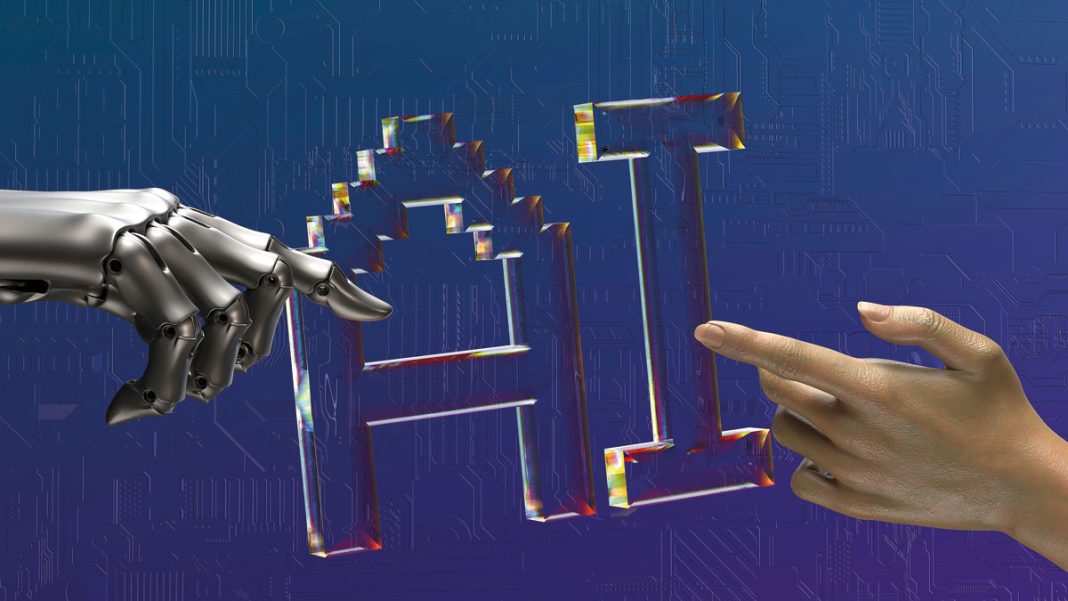

We are already seeing generative AI saving considerable time on tasks previously entrusted to junior profiles. : to research, synthesize, write, analyser, produce a first recommendation. For the business, the benefit is obvious. But a question now arises : what exactly was happening during all this time that we are now trying to save ?
We were looking for. We hesitated. We were wrong. We asked for advice from a more experienced colleague. We started again. In short, we learned our trade. A study published in early 2026, How AI Impacts Skill Formation, brings interesting results on this point. Researchers compared learning a new programming skill with and without AI assistance. Participants who largely delegated the task to the AI were able to achieve better immediate results, but developed a weaker understanding, especially when it was then necessary to read code or identify an error. Conversely, certain uses of AI retaining cognitive engagement made it possible to preserve learning. The issue is therefore less about the use of AI than about the way in which it is integrated into the learning process..
The subject goes well beyond developers
A young salesperson also learns by preparing an imperfect proposal that his manager corrects. A communicator progresses by confronting his ideas with the field. An accountant, a lawyer or an HR manager builds their judgment by encountering situations, including those in which they are wrong. Expertise is not just the ability to produce a good answer : It’s also knowing why it’s good, recognize when it is not, and know what to do when the case goes beyond the usual framework. In the meeting, where companies already mention their difficulties in recruiting certain skills, the question is worth asking now. We can hardly afford to gain productivity today by weakening the skills development of tomorrow. This creates, in my opinion, a new managerial challenge.

Learning to learn in the age of AI
It will no longer be enough to make AI tools available and train employees in their use : it will also be necessary to decide which tasks can be delegated, which must remain learning situations and at what times an employee must be able to explain, to check or redo without assistance what he has just produced. For a long time, working almost automatically allowed you to accumulate experience. With AI, this link becomes less obvious. It is up to companies and managers to ensure that they do not delete, in the name of time saved, everything that allows you to learn.