

The study reveals that they embody a profound evolution. Contrary to popular belief, pleasure remains the primary driving force behind food but it is accompanied by other criteria.
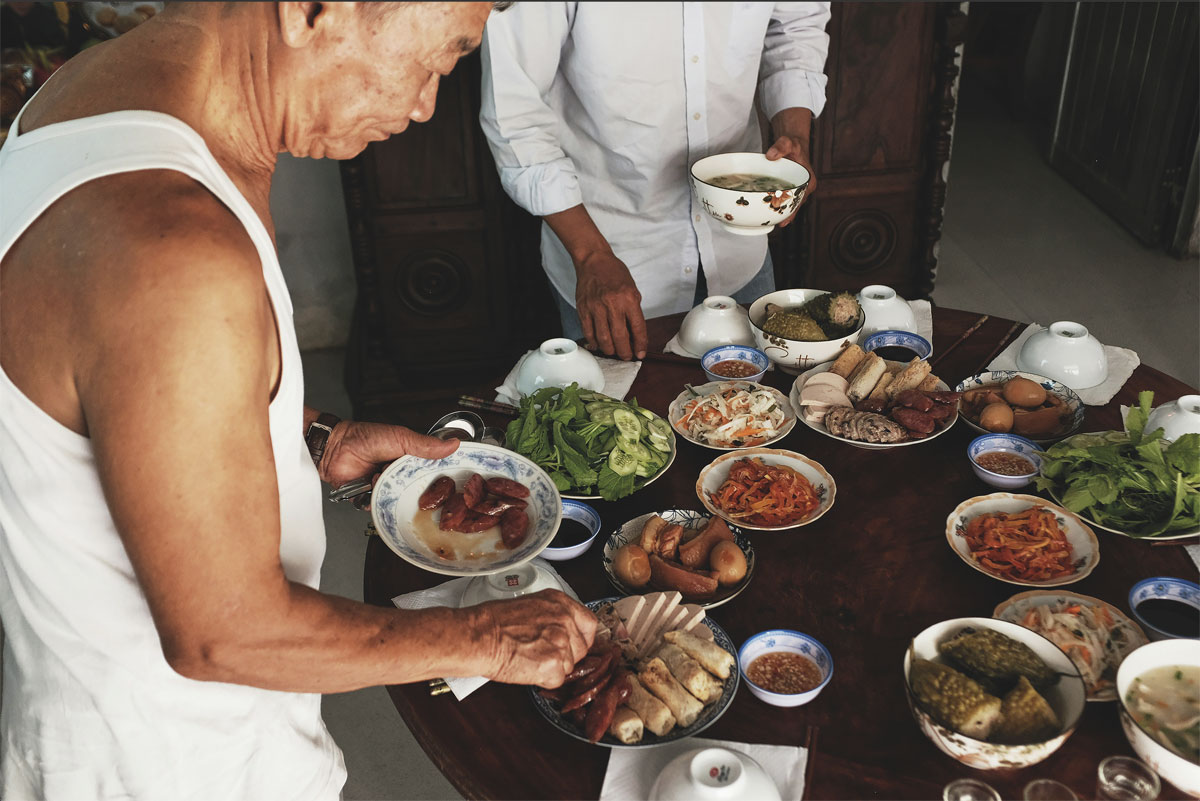
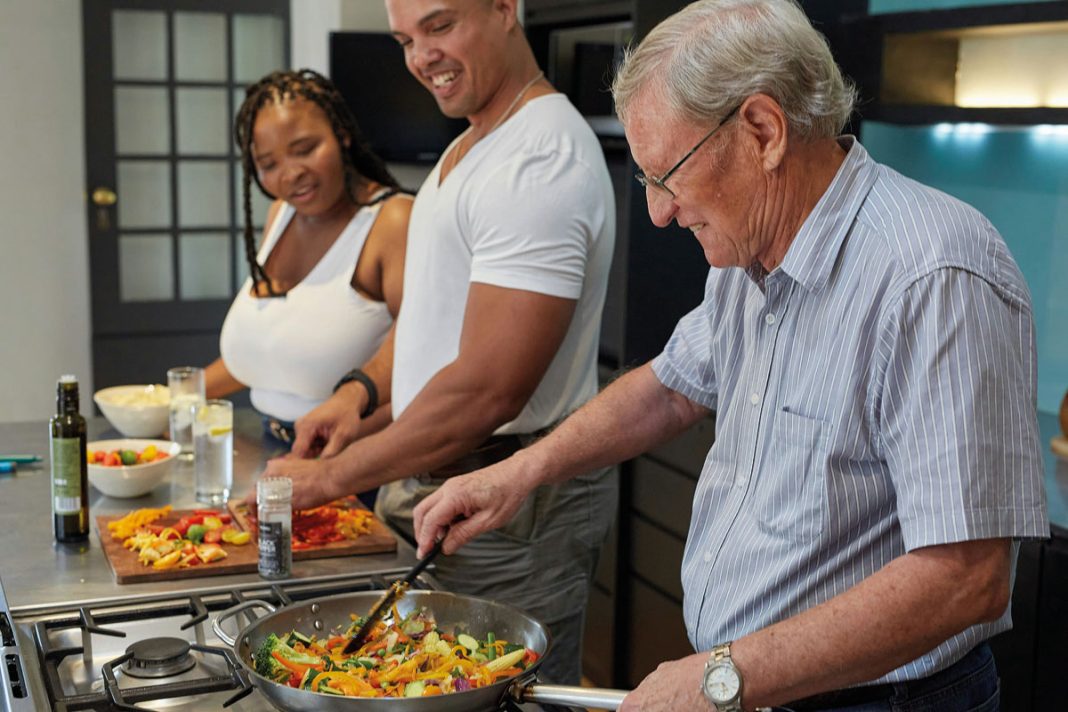
Pleasure above all. Pleasure remains at the heart of seniors’ eating behaviors. So, 81% of 65-74 year olds consider their food above all a source of pleasure. 69% place taste as the first criterion of choice, while 48% seek out comfort foods. Brands are therefore expected to be able to offer gourmet products, quality, and bearers of moments of conviviality.
Simple and concrete health. If “pleasure” remains essential, health concerns increase with age : 8 out of 10 seniors pay attention to the impact of their food on their health, and nearly 9 out of 10 want to improve their eating habits. They favor products without additives or preservatives, natural and of recognized nutritional quality while requiring clear and directly useful information, far from complex nutritional discourse.
Greater transparency. Seniors want to know what they are consuming. In a context where 85% of those over 65 are wary of industrial products, they want more visibility on the origin of products, their composition, their method of manufacture and traceability. Transparency appears today as a major lever of trust.
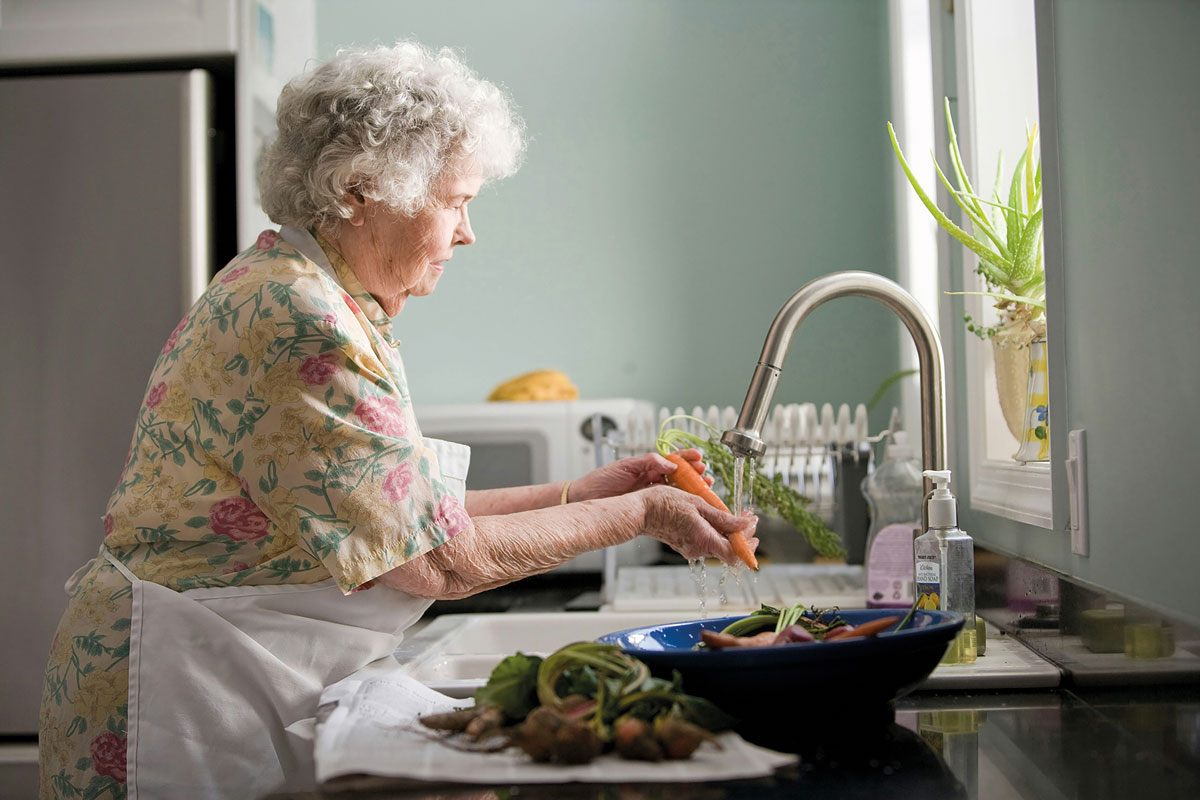
Local and homemade. Very attached to authenticity, seniors favor local products and traditional culinary practices. Homemade remains dominant with 73% who still systematically prepare their meals. otherwise, nearly one in two young retirees now attach more importance to local products than before and 57% are ready to change their purchasing habits to eat better.
An adapted offer without being stigmatizing. If 80% want products that meet their age-related needs, to health or lifestyle, they reject marketing approaches categorizing them as “senior” consumers.
Their expectation is clear : be better taken into account by brands without being locked into offers or speeches dedicated to “aging well”.
A need for benchmarks in the face of disinformation. Carers and communities suffer from a lack of reliable information and inspiration. Caregivers deplore the absence of dedicated resources or tools to guide them on a daily basis. On their side, nutritionists warn of the difficulty for many seniors in finding their way among the profusion of injunctions and preconceived ideas disseminated by non-specialist audiences.
A fair balance between quality and budget. Finally, for nearly 9 out of 10 seniors, price remains a determining criterion For half of 65-74 year olds, it can even constitute an obstacle to a quality diet. Brands are therefore judged on their ability to make healthy products accessible., transparent, without compromising purchasing power.