

The United States is interested in rare earths
Critical minerals attract US desire on all continents, including in Madagascar. The government agency International Development Finance Corporation has decided to hire 4,8 million dollars, alongside the Australian company Harena Rare Earths, to start operating a mining site in the Ampasindava region (northwest coast of the Big Island). The subsoil of the coveted area would contain various rare earths sought after by high-tech industries. The initial investment must allow the construction of a pilot plant and various tests, but also environmental programs. The Ampasindava project, started about ten years ago, arouses concern among environmental protection associations in the region. Very polluting, it could be destructive for the biodiversity of the area, close to the tourist island of Nosy-Be.
Coface downgrades Malagasy rating
The French Insurance Company for Foreign Trade (Coface) does not see any improvement in the economic climate in Madagascar. In his ranking, updated in July, it maintains the country's C rating for its business climate, but downgrades its rating from C to D for the risks incurred by investors. Chronic political instability, corruption and infrastructure weaknesses are among the main weaknesses that justify this very poor rating.
The minimum wage reassessed to 60 euros
The Malagasy government announced at the beginning of July an increase in the minimum wage to 300,000 ariary per month, with retroactive effect of four months. Employees who receive it therefore earn around 60 euros per month, below the global poverty line (3 dollars per day). In the absence of social dialogue between the government, unions and businesses, the application of the minimum wage is not, in addition, not guaranteed.
90% of mining projects controlled by foreigners
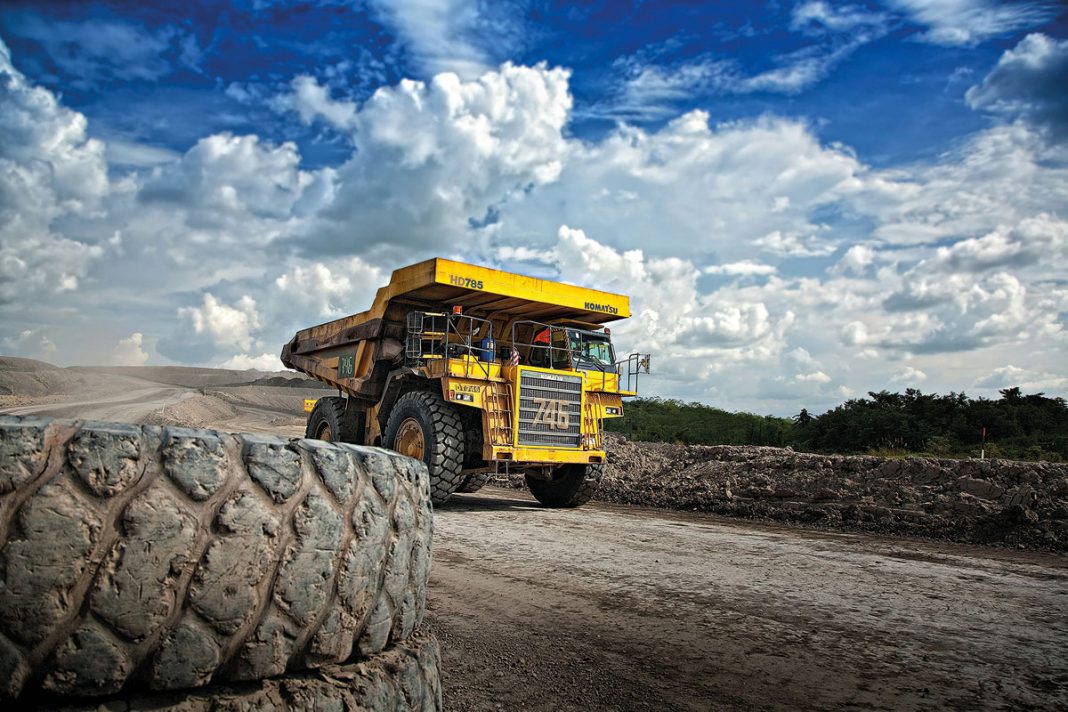
90% of ongoing mining projects in Madagascar are controlled by foreign interests, notes the United Nations Conference on Trade and Development (Cnuced) in a recent report. 16 major projects, concerning minerals essential to the energy transition, are currently recorded in the Big Island : 10 for graphite mining, 3 for titanium and 3 for zirconium. Other mining sites are currently being exploited (nickel, cobalt, phosphates, chrome…). In most of the cases, these are foreign companies, coming from China, from Australia, you Canada, of the United Kingdom… who are in charge.