
68 million people, a turnover of 14 billion euros : the recent study by the leader in economic analysis Xerfi shows the vitality of the French market. It nevertheless points to a slowdown in growth after the post-Covid boom.
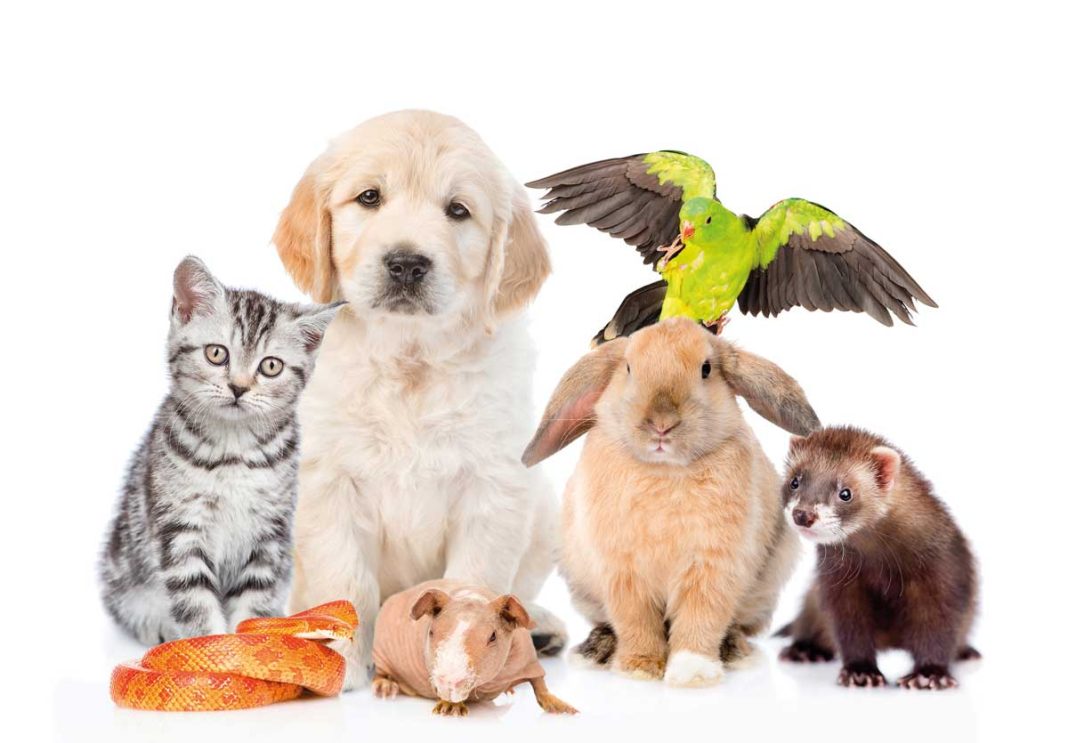
 Xerfi's survey of the French market covers a wide range of expenses devoted to animals kept by households : food, accessories, hygiene and care products, animal health insurance. She is also interested in several specialized services : veterinary care, guarding, grooming, dog training, funeral services. The study, which reviews the main players in the market, is illustrated by several case studies. Food remains the leading segment of the sector, driven by a record population : 16,7 million cats, 9,1 million dogs, 29,8 million fish as well as several million birds and small mammals. Sales in this area reached 6,3 billion euros in 2025, against a little more than 5 billion for veterinary care. Demand is supported by the increase in the number of individuals, especially cats, whose population has jumped by 30% in 10 years. However, the pace is expected to slow down in the coming years : between 2026 and 2030, petfood sales are expected to increase by around 3% per year on average compared to more than 6% over the period 2020-2025. As for veterinary expenses, they would increase by approximately 4% per year compared to more than 8% during the previous five years.
Slow but sustainable growth
It must be said that between 2020 and 2025, the market benefited from favorable circumstances with an increase in adoptions after the health crisis, and exceptional price increases in 2022 and 2023 on petfood (almost 30%). The expected slowdown is therefore first of all a return to a certain normality. However, the animal park (68,4 million in 2025) will continue to benefit from promising socio-demographic trends : the number of households increases, households are smaller, single people or couples without children at home often give an important place to their animal.
Petfood : an increasingly fragmented market
The Xerfi study shows that the petfood market is much more segmented than ten years ago. Brands specializing in online sales (Ultra Premium Direct, Franklin, or Caats) saw the light of day, positioning itself in niches with strong value promises : French manufacturing, nutritional quality, natural ingredients, personalized diet, or even environmental commitment. Their success has highlighted the existence of increasingly high expectations among pet owners.. Petfood enters the era of nutrition and health. The medicalization of food is accelerating to treat weight management, digestive comfort, urinary health, joint support, or even aging… At the same time, owners' demands in terms of nutritional quality are becoming more pressing : product segmentation based on age, weight, the level of physical activity of the dog or cat becomes widespread, while the moments of consumption multiply.
Specialized distribution is gaining ground
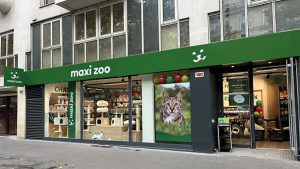
While large food stores remain by far the leading distribution channel with 47% of sales in value in 2025, their weight has eroded very slightly compared to 2020 (48 %). The main beneficiaries of this redistribution are pet store brands and online pet stores. : From now on, 32% of dog owners and 24% of cat owners ask them for their pet food purchases. These brands are taking full advantage of the move upmarket in purchasing behavior. Their ability to offer a wide range of references, technical products and personalized advice meet the expectations of ever more demanding owners. otherwise, almost all specialized sites offer a no-obligation subscription formula. Because pet food purchases are by nature very recurring and change little over time, subscriptions meet consumers’ quest for practicality. Let's add that if they offer discounts, these sites are even more attractive.
 A constantly increasing demand for care
France has more than 6,000 veterinary establishments, of which 20% belong to an integrated network. Xerfi anticipates an increase in the consumption of animal care of around 4% per year by 2030. This growth will be driven by several structural trends which should support practice attendance and the average amount of expenses per animal.. The life expectancy of animals tends to increase, which results in a larger number of older animals, more exposed to chronic diseases or joint disorders. otherwise, the anthropomorphization of animals will encourage more frequent use of care, owners adopting a more preventive approach to animal health with regular check-ups, rigorous vaccination follow-up, and faster treatment of health problems. Finally, the increase in support capacities will promote the development of the activity. The number of veterinarians continues to increase due to the increase in training capacity and the recruitment of foreign practitioners., while veterinary groups modernize their establishments in order to accommodate more animals and offer a more complete range of care.