

The new European regulation on packaging and packaging waste or packaging and packaging was regulation (PPWR) was published in the Official Journal of the European Union on January 22. It will be applicable from August 12, 2026. A "crucial in the transition to a circular economy in Europe" for Pact’alim, spokesperson for French SMEs and ETIs in food, which salutes an important step in the harmonization of the European regulatory framework.
"French companies have strengthened their commitments in favor of the circular economy and the eco -design of packaging since the French Agec law, Posted in 2020. French Food SMEs and ETIs have permanently increased in the sustainable management of their packaging, Through eco-design actions on the three axes of the so-called 3R national strategy : Reduce packaging waste, Promote reuse and optimize recyclability, supplemented by sectoral 3R road sheets », Recalls the Pact’Alim association. Fact, The adoption of these European regulations reinforce these efforts by sending a signal confirming Europe’s commitment in favor of the circular economy and opening the door to the harmonization of the regulations between Member States. "It is now imperative to achieve rapid stabilization of delegated acts which must complete the PPWR. These texts must make it possible to specify and harmonize certain important rules such as sorting instructions or the definitions of the recyclability of materials. It is also necessary to allow the recognition of new packaging recycling technologies to achieve the objectives of incorporation of recycled material. »»
The same rules of the game for all
For Karima Kaci, CEO of PACT’ALIM, The European regulation will allow "to take on all the Member States in this trajectory, With the same rules of the game. In view of the industrial issues for adapting production and packaging tools, Economic issues related to the costs of these transformations, SMEs and ETIs of food now need regulatory stability to continue and accelerate their efforts. "
The strengths of the new regulation
• Global objective of reducing packaging per capita : 5 % by 2030, 10 % by 2035 and 15 % by 2040 (compared to 2018), especially plastic packaging waste.
• "useless" packaging : Taxation of a maximum empty space ratio of 50 % for grouped packaging, transport and electronic commerce. Minimum reduction in weight and volume of packaging.
•Interdiction, From January 1, 2030, Single -use plastic packaging for unprocessed fresh fruits and vegetables, For foods and drinks packaged and consumed in CHR, individual portions (condiments, sauces, crème, sucre…), Miniature packaging for toiletries, Very light plastic transport bags (less than 15 microns).
• Prohibition of the use of so -called "eternal" substances (Perfluorée and polyfluored alkyl substances or PFAS) beyond certain thresholds in packaging in contact with food.
• Harmonized label on the products indicating the materials that compose them to facilitate their sorting by consumers.
• Reuse objectives by 2030 for alcoholic and non -alcoholic packaging (except milk, vin, flavored and spirits wines), For transport and sale packaging and for grouped packaging.
• For drinks and take -out : possibility for consumers to bring their own container ; 10 % of products should be offered in a reusable packaging format by 2030.
• All packaging must be recyclable, With the exception of light wood, cork, You textile, rubber, ceramics, porcelain and wax.
• Minimum objectives of recycled content for plastic and recycling packaging according to the weight of packaging waste.
• By 2026, 80 % of single -use plastic and metal drinking containers (up to three liters) will have to be collected separately (via instructions or other solutions) ; 90 % by 2029.
 Plastic packaging of fruits and vegetables
In 2020, The antigaspillage law for a circular economy (AGEC) had planned, among other measures, the gradual ban on plastic packaging of fruits and vegetables. But the decree specifying the terms of application of this ban from January 1, 2022 was canceled by the Council of State. The new DVA decree must take into account the date set by the PPWR for this ban, namely January 1, 2030.
For packaging manufacturers, The end of an uncertainty
Milyel and Jean-Claude Leblanc, Managing Director and President of Bourbon Packaging.
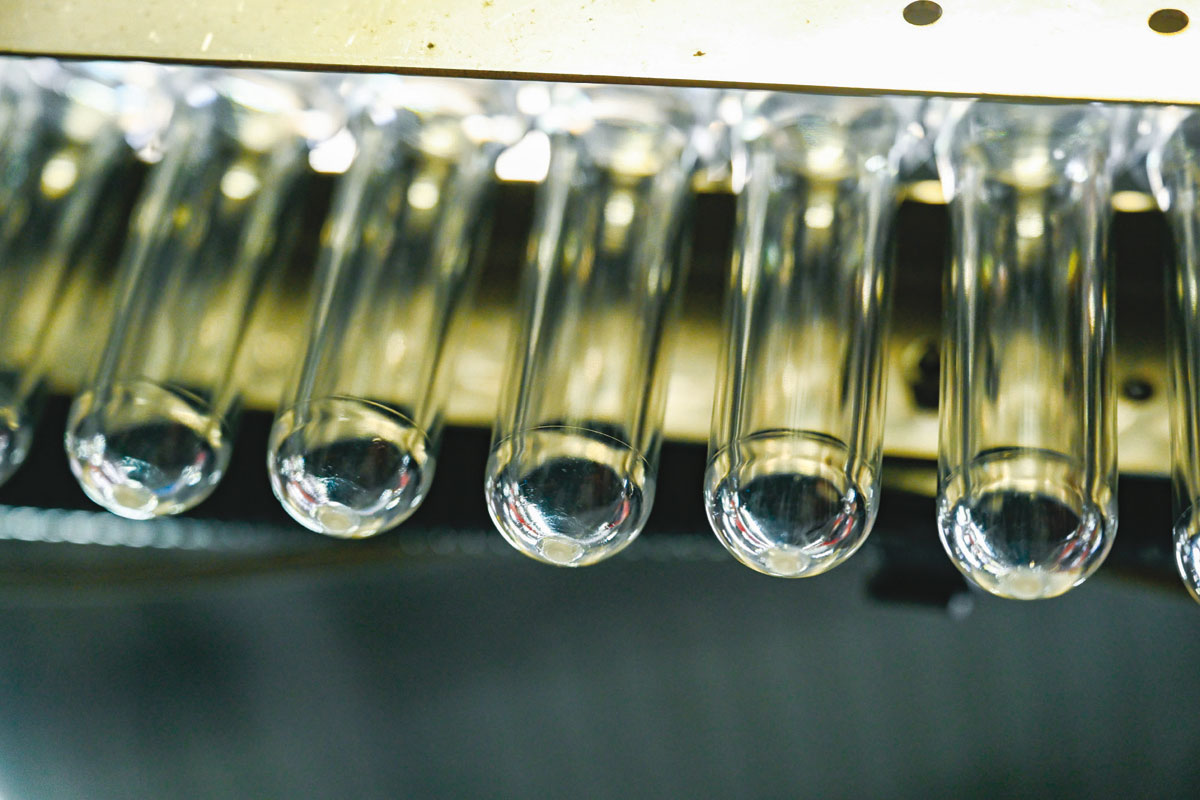
"Our reaction is very favorable. We now have clear benchmarks and rules written. It is up to France now to join the PPWR, which is a European regulation imposing on national law, and in particular the provisions of the AGEC law of 2020. For an industrialist, It is very important to be able to anticipate the next developments and its next investments. This new framework, With these provisions on recyclability, The incorporation of recycled plastic, The re -use of packaging, legitimate and validates our industrial choices. Our plastic recycling workshop is over 40. All our packaging is monomaterial to facilitate their recycling. Eco -design is in the culture of Bourbon Packaging, in the know -how of our team, in the offers we put on the market. The various market players should take advantage of this new framework to structure the deposit of plastic waste that can be reincorporated in local production. Let us remember that, on 100 packaging, 10 are made locally and 90 are imported. »
Hyacinthe Legrand, Commercial Director of Sodico.
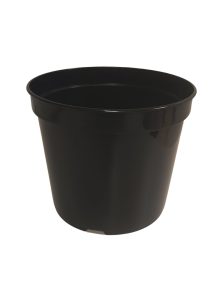 that the PPWR text develops a rational approach and sets objectives and deadlines that give visibility and time to adapt. This text comes out of the ideology of plastic bashing. It gives all the products a chance by fixing a roadmap. We know what to expect. This is an advantage, Because an industrial tool is not reoriented overnight. I remind you that circularity is practiced internally throughout the plastics. A non -compliant product is systematically recycled. There is no plastic waste that comes out of Sodico. Post-consumption recycling is problematic, because it is difficult to guarantee the quality of the deposit of plastic waste and the world of plastic covers infinity of products, with materials that are not necessarily compatible with each other. I take the example of recycling of Decathlon hangers in flower pots : He asked us for six months of research and development. The PPWR will force to find new recyclability solutions. »
The Réunion packaging committee takes stock
PPWR is an imposing document. It will be supplemented by many texts which will specify the methods of application. The Réunion packaging committee plans to take stock soon on the subject, in order to answer questions on the conditions of application of the new regulation, especially with regard to French law, and its practical consequences on the activity of companies.