
In a constantly changing economic environment, managers of small and medium-sized businesses face multiple challenges. Aurore Coillard-Damiani, associate affiliate member Walter France, explains why anticipate risks, that they are strategic, operational or resource-related, has become a necessity to guarantee the sustainability and growth of SMEs.

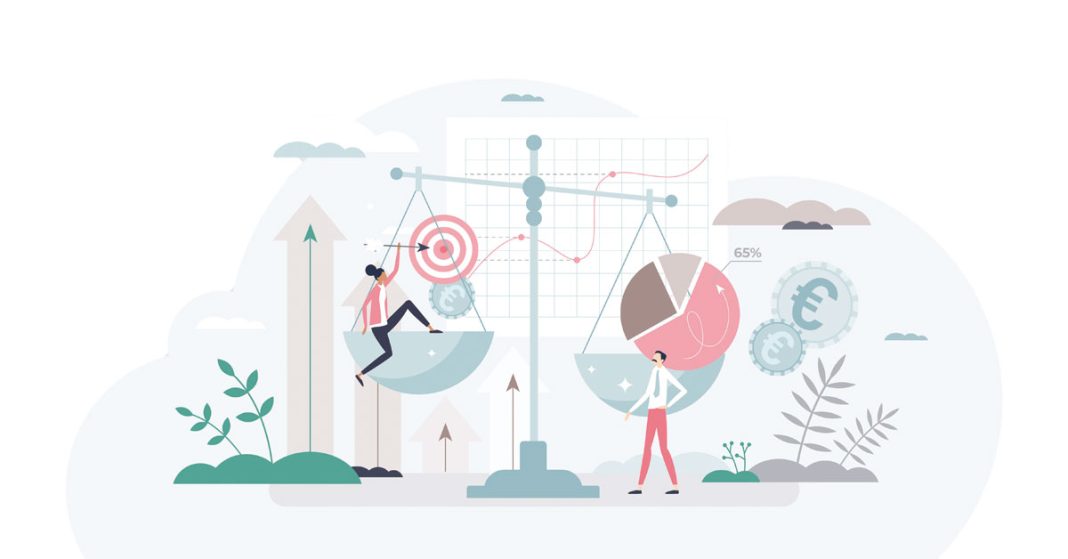
Risk mapping has become an essential management tool for taking a step back, identify potential threats and implement appropriate actions. It has several objectives. Identify major risks : whether they are related to cybersecurity, to regulatory compliance, to business continuity or even to the reputation of the company. Prioritize actions : by prioritizing risks according to their impact and probability of occurrence. Optimize resources : focusing efforts on the most critical risks. Building resilience : by putting in place appropriate control systems to reduce vulnerabilities. In short, this tool offers a clear and structured vision of the risks to which a company is exposed, while allowing you to make informed decisions to control them.
A management tool for the future
Risk mapping is not limited to a simple list of threats. It constitutes a real lever of governance, enabling SME managers to make informed strategic decisions. By anticipating risks and putting in place appropriate systems, businesses strengthen their resilience and their ability to seize opportunities in an uncertain context. Risk management systems bring together all the means implemented by the organization to eliminate, reduce or prevent the occurrence of a threat affecting the achievement of objectives.