
Better remuneration guarantee, Support for sustainable agriculture, contribution to maintaining rural territories : the NGO Max Havelaar France presents a new innovative certification system to support the most economically fragile French producers in the milk and wheat sectors.
 All work deserves wages : but the profession of farmer no longer even guarantees the French minimum wage. Pire, a third of farmers receive less than 350 euros of operating income. The pandemic has raised awareness among the French. According to an unpublished OpinionWay survey, if Made in France is still popular (62 %), 53% of them now demand respect for a price paid to farmers which covers their production costs and 81% say they have acted at their level to support French agriculture since the start of the crisis.. While the government, in a future EGALIM 2 law, looks at this central mechanism of the price paid to farmers, fair trade tool par excellence, Max Havelaar presents a new certification system intended for French producers in the milk and wheat sectors. Founded 30 years ago to support vulnerable producers in Latin America, from Africa and Asia, the Fairtrade movement Max Havelaar notes that the distress of farmers is no longer just the reality of others. Fairtrade Max Havelaar is now committed to the French wheat and milk sectors thanks to a unique method of setting the guaranteed price based on the territory and a quantified income objective.. The traditional collective premium specific to fair trade, automatic eligibility in the event of conversion to organic and specifications compatible with High Environmental Value-HVE, will be supporting tools towards sustainable agriculture. The territorial approach and the eligibility of young people in settlement will contribute to maintaining agricultural activity in declining territories.. This innovation is being tested on the French market and the dialogue is open at European level.
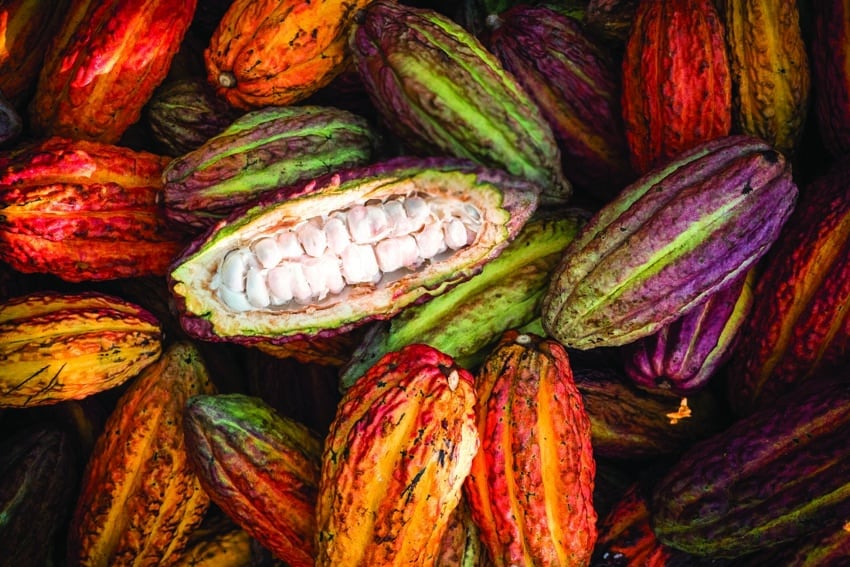
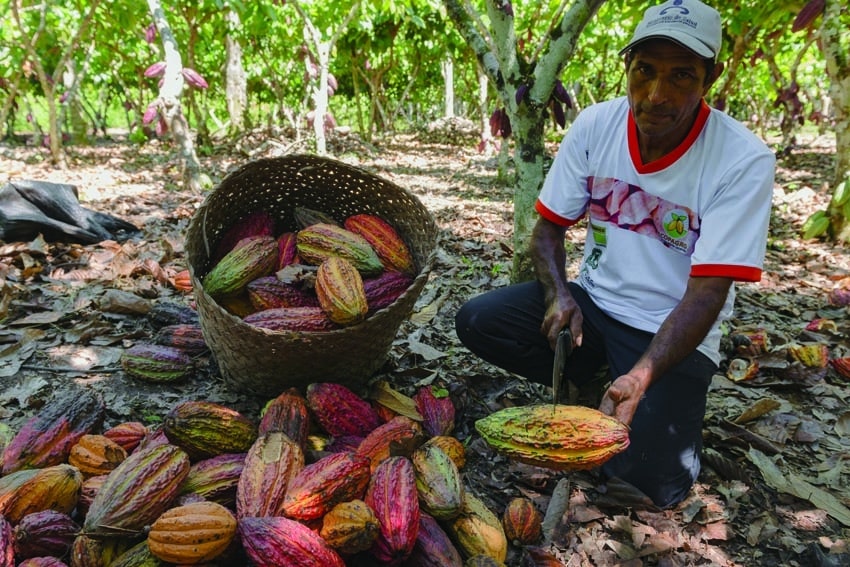
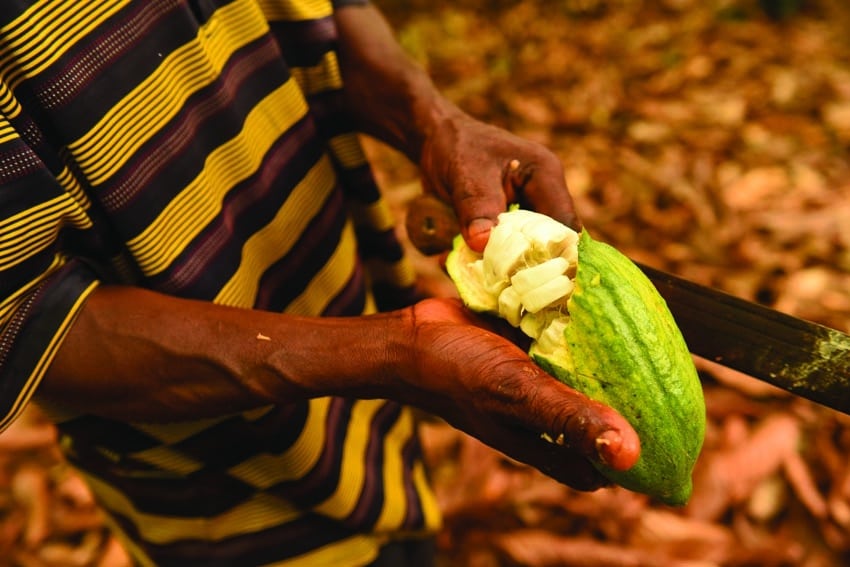
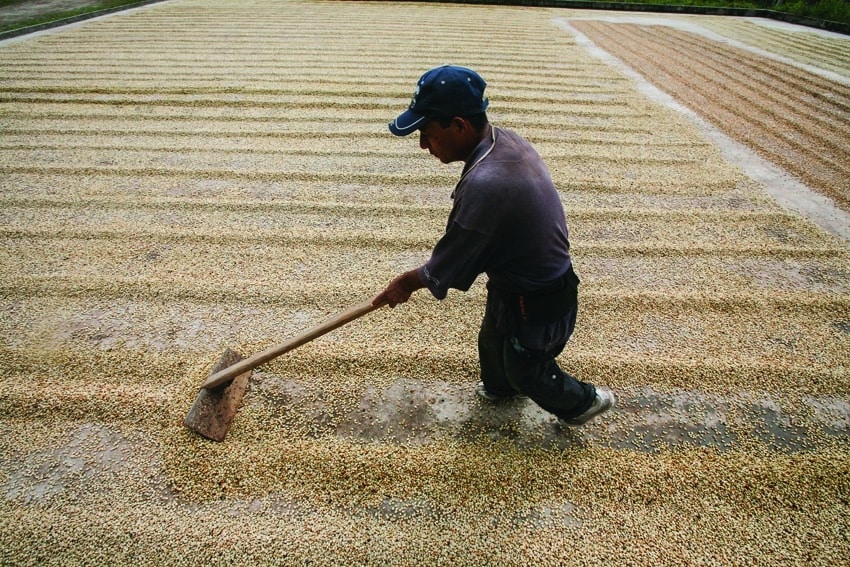
Fair trade French products Max Havelaar
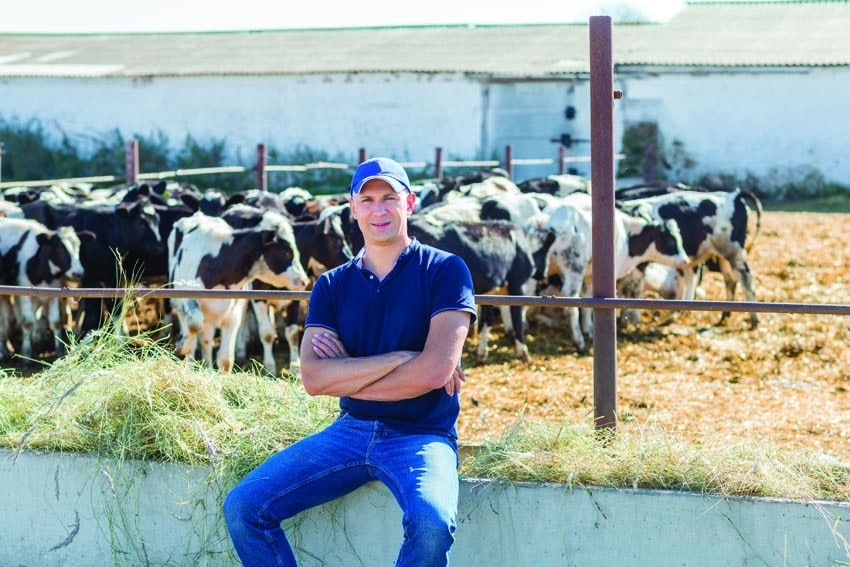
“By committing to Max Havelaar Fair Trade Dairy Products certification, our objective is to obtain a decent valuation for the Charentes-Poitou milk sector, to better remunerate the quality of the work of producers and thus maintain this dairy sector which has been in decline for several years in our territory” indicates Patrick Roulleau, president of the Central Association of Cooperative Dairies of Charentes and Poitou (ACLCCP). “To this day, two thirds of cereal farms in the Gers do not generate any income. This project represents for us the promise of being considered and remunerated with dignity.. It brings perspectives, visibility and a certain sustainability for our operations” declares Florent Estebenet, farmer and administrator of the Vivadour agricultural cooperative in Gers. “We used the lessons of our historical sectors to create these new specifications adapted to France, in dialogue with producers. While everyone is talking about guaranteeing a fair price, transparent and superior to production costs to the farmer, we are offering it today concretely and in a territorialized way” believes Blaise Desbordes, Managing Director of Max Havelaar France.
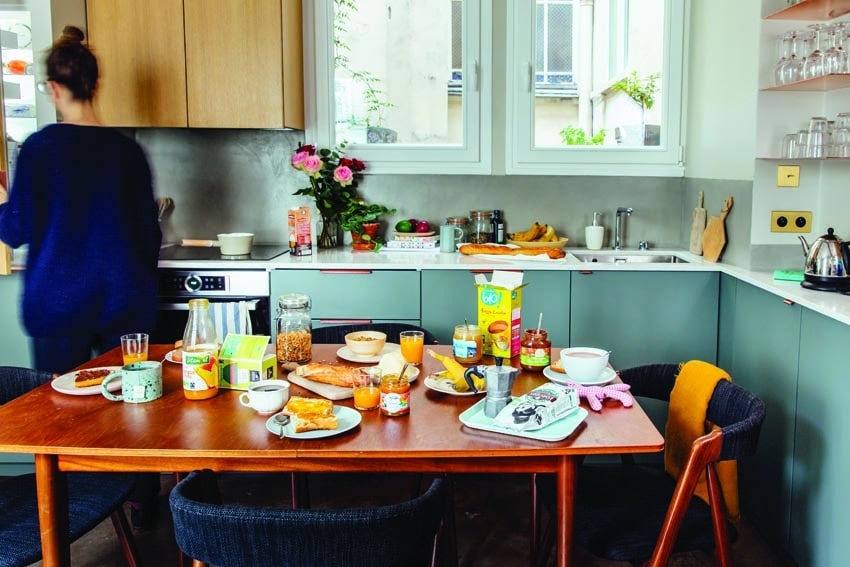
The North and the South united in new products
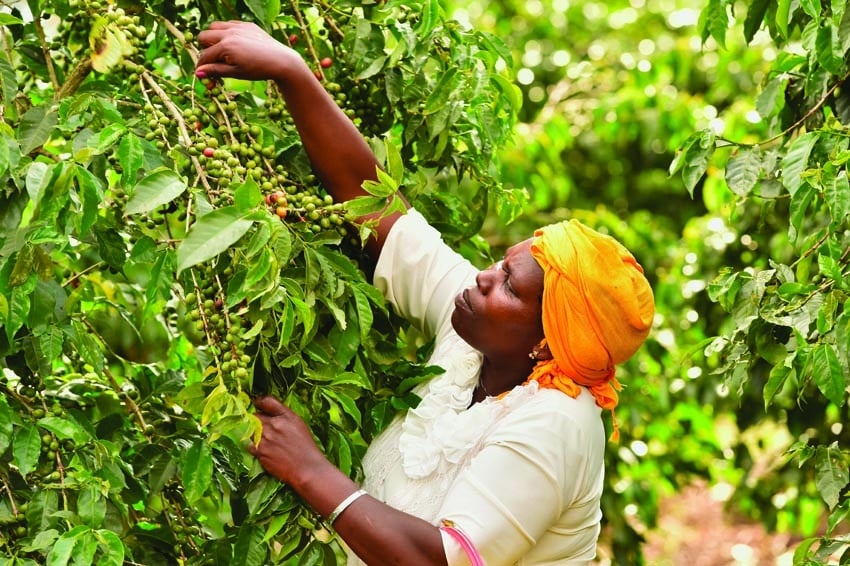
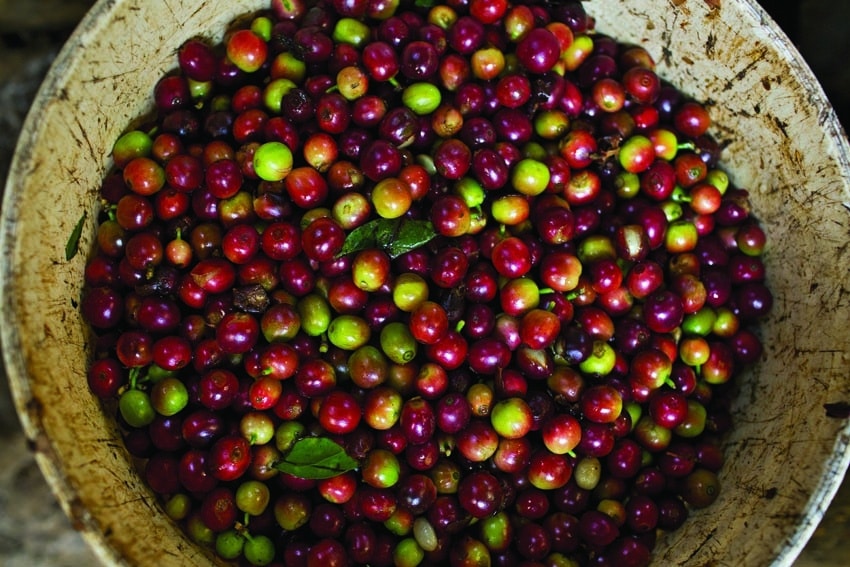
Because fair trade carries universal values, the development of Fairtrade Max Havelaar certified French production will also be a growth lever for historic sectors in the South. The new wheat and milk ingredients will complement the usual fair trade ingredients produced outside France (cacao, exotic fruits, cane sugar, café). New fair product categories will be made possible, where milk and vanilla coexist, wheat and chocolate chips : yogurt, dessert creams, pastries, pastries, biscuit factory. “More certified ingredients will allow the creation of new products, this will promote de facto solidarity between vulnerable farmers in the North and the South, and will guarantee a fair price to the farmer, wherever he is” underlines Blaise Desbordes.
A worrying observation
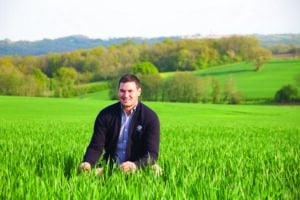 There are figures that do not deceive : 30,1% of cereal and field crop farms, 21,5% in mixed farming and 14,9% of farms producing cattle (including milk) were in deficit in 2017 (INSEE, 2019). Farmers would work 53,3 hours per week (INSEE). In certain regions such as Poitou-Charentes or Alsace, dairy farmers cannot afford an income equivalent to the minimum wage. This is also the case, For example, in the Occitanie region for cereals. In ten years, half of farmers will be of retirement age while the farm takeover rate falls every year. The agricultural suicide rate is 12,62% higher than the rest of the population (MSA 2015). The agricultural abandonment of certain territories worsens the situation of the farmers who remain. This economic fragility prevents many of them from setting out on the path to ecological transition. The main causes of this worrying situation are close to those which motivated the creation of the first fair trade sectors three decades ago. : imbalance in the balance of power between producers and actors downstream in the production chain, price setting by international markets, price volatility generating uncertainty, constant pressure on prices without consideration for real production costs…
An opinion survey reinforces the initiative
On the occasion of the twentieth edition of the Fair Trade Fortnight last May, Max Havelaar wanted to give the French a voice on agriculture via an OpinionWay survey.
 The study “The French and support for agriculture” (OpinionWay survey for Max Havelaar France) was carried out by online questionnaire from Wednesday April 14 to Thursday April 15, 2021 with a sample of 1001 people, representative of the French population aged 18 and over. Half of those surveyed (52 %) considers the impact of the health crisis on French agriculture generally negative, a quarter even consider it very negative. However, if the crisis has worsened the situation of farmers, their difficulties predate this one, and the two main reasons which most penalize French agriculture are, for 67% of French people, low prices imposed on farmers by middlemen and distributors, and for 63% competition with other countries with less restrictive standards. Aware of the issues, the French also recognize the existence of solutions in which they become actors when they can. At the top of the actions considered the most positive for French agriculture, are the consumption of products made in France (62 %), respect for a price paid to farmers which well covers their production costs (53 %), better recognition of farmers who respect the environment (46 %) and the development of brands and labels guaranteeing them fair remuneration (39 %). The French have largely seized the means at their disposal to support French agriculture. 81% of those questioned say they have acted to support agriculture in their food consumption, compared to 17% who have not changed their eating habits to support agriculture. In detail, half of the interviewees say they buy more products made in France and 36% have purchased more French products guaranteeing a fair price for farmers.. A third (32 %) purchased products directly from producers in markets.
The main guarantees of the Fairtrade/Max Havelaar standard for the wheat and milk sectors
For producers :
- A minimum price paid to farmers and defined on the basis of cost prices. A bonus financed by all the downstream links of the producer organization, managed collectively by producers and dedicated to social projects and ecological transition.
- A commitment from the entire sector to multi-year contracts.
To improve the impact of the commitment of stakeholders in the fair trade sector :
- Certification intended for vulnerable farmers in vulnerable territories. Certification intended for young established farmers. •Certification designed to support the ecological transition.
- Certification addressed to collectively organized farmers.
Support from the collective organization to producers :
- Support to achieve certification requirements.
- Training in more sustainable practices.
For the environment and human health :
- Monitoring compliance with the environmental regulatory framework.
- Criteria linked to High Environmental Value certification – HVE.
- Supervision of the use of phytosanitary products.
- Evolutionary requirements for ecological transition markers (use of phytosanitary products, fertilisation, storage of livestock effluent, water use, ground cover, maintenance of biodiversity areas, animal feed, animal welfare…).