
At the forefront of sustainable development by replacing traditional non-biodegradable packaging materials for solid cosmetics, the water-soluble natural film designed by the private research organization PolyBridge arouses the astonishment and curiosity of many guests of the Reunion hotels Diana Dea Lodge and Villa Delisle, its first users.
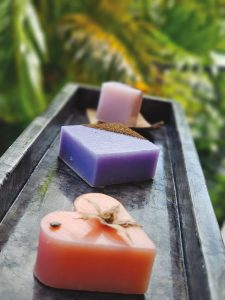
A transparent film to the point of being invisible, effectively protecting solid cosmetics, and which does not need to be removed, but dissolves on contact with water ! Precursor of zero waste, this revolutionary natural packaging is based on brown algae extract (of Breton origin). He took his first steps in Reunion because this innovation was the work of a chemical engineer established on the island., Pascal Xanthopoulos, founder of the research organization PolyBridge, specialized in environmental green chemistry. The water-soluble natural film has been undergoing its first test in the hotel industry for around a year., in partnership with the artisan soap maker Atelier Rossolin, who uses it to protect the soap bars at the five-star Diana Dea Lodge hotel (31 rooms and 5 camping tents) and the four-star hotel Villa Delisle (41 rooms), two establishments with the Green Key label, the brand of sustainable tourism. L’Atelier Rossolin and these two accommodations are thus pioneering companies to exploit this invention, whose potential appears considerable in solving the problem posed by packaging waste from soaps and other solid cosmetics. It is, at this stage, manual production in limited quantities from this artisan soap maker. But an automation solution, inspired by industrial coating in the food industry, could be studied.
The first water-soluble packaging for cosmetics
The PolyBridge film is radically different from the few existing water-soluble packaging – laundry detergent pods., fertilizer packets, mulching film for agriculture, food packaging – due to its completely natural character and manufacturing process. If its physicochemical characteristics do not allow it to package all types of products, it is perfectly suited to solid cosmetics (soaps, shampoos, etc.) A report from the television show Les Nouveaux Défis, broadcast on Réunion la 1ère in August 2025, showed the simplicity of its artisanal manufacturing at Atelier Rossolin : the soap bars are soaked in an aqueous solution based on brown algae powder, creating a thin transparent film that follows the shape of the soap. “Mixed with water, algae powder gives a viscous solution which transforms into a thin, transparent film after the water evaporates., summarizes Pascal Xanthopoulos. To the point that the algae-based packaging gives the soap a smooth surface that is very pleasant to the touch.. Indeed, to his touch, the soap is much less greasy and sticky. Disappears on contact with water, the natural film does not generate any waste while presenting no risk to the sanitation network.
Astonished and seduced customers
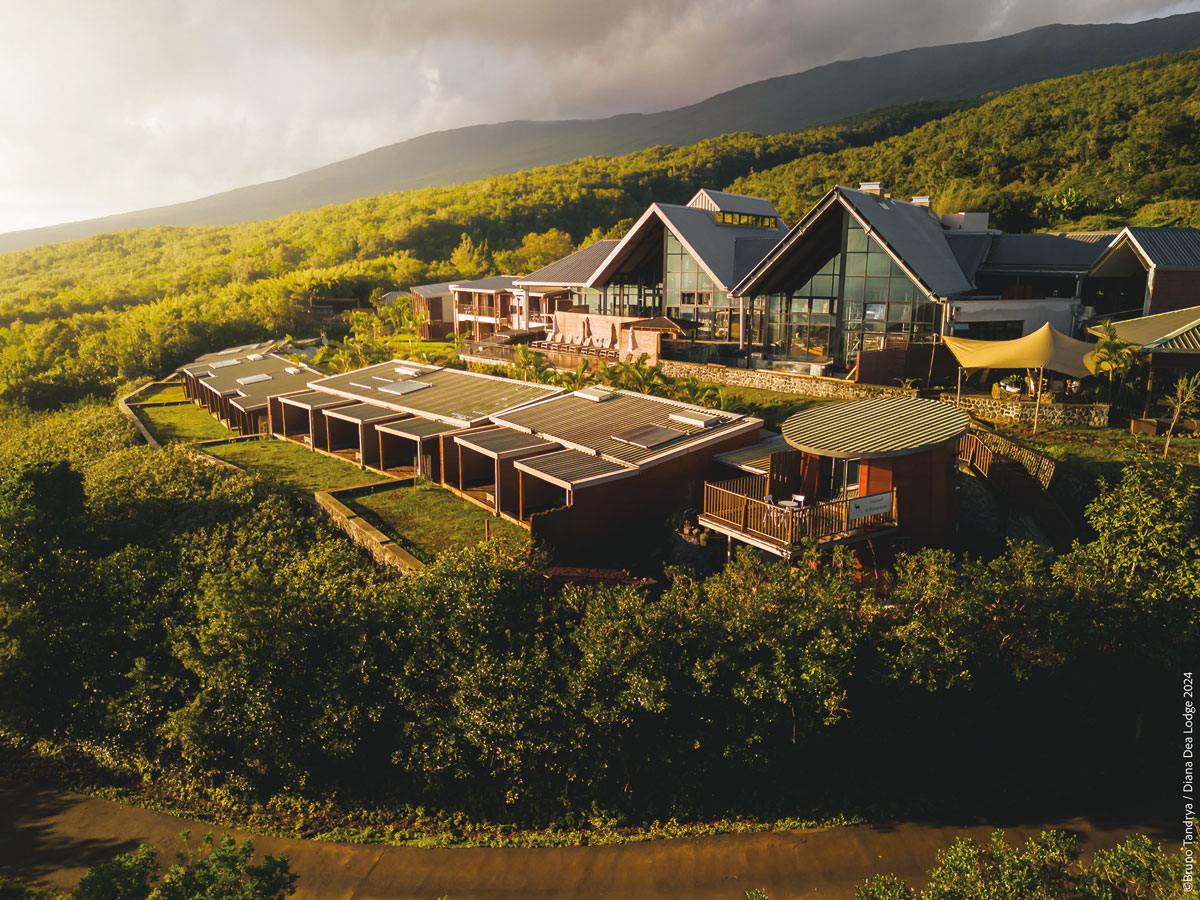
From the reaction of the first customers who experienced it, we can say that the innovation has successfully passed its first test in real conditions. “By presenting the room, we explain to our customers that, contrary to appearance, the soap is not bare, it is protected by a natural film which will dissolve on contact with water.”, testify Alice Techer, general housekeeper, and Cécile Victoire, assistant reception manager, du Diana Dea Lodge. Result : “Many customers tell us about the soap when they leave. They are pleasantly surprised by the product and are interested in it. They find it original and ask who the supplier is.. They also appreciate knowing that this product is made locally. » One more little memory associated with the stay in this charming hotel, nestled in the nature of the heights of Saint-Benoît.
A pioneering product
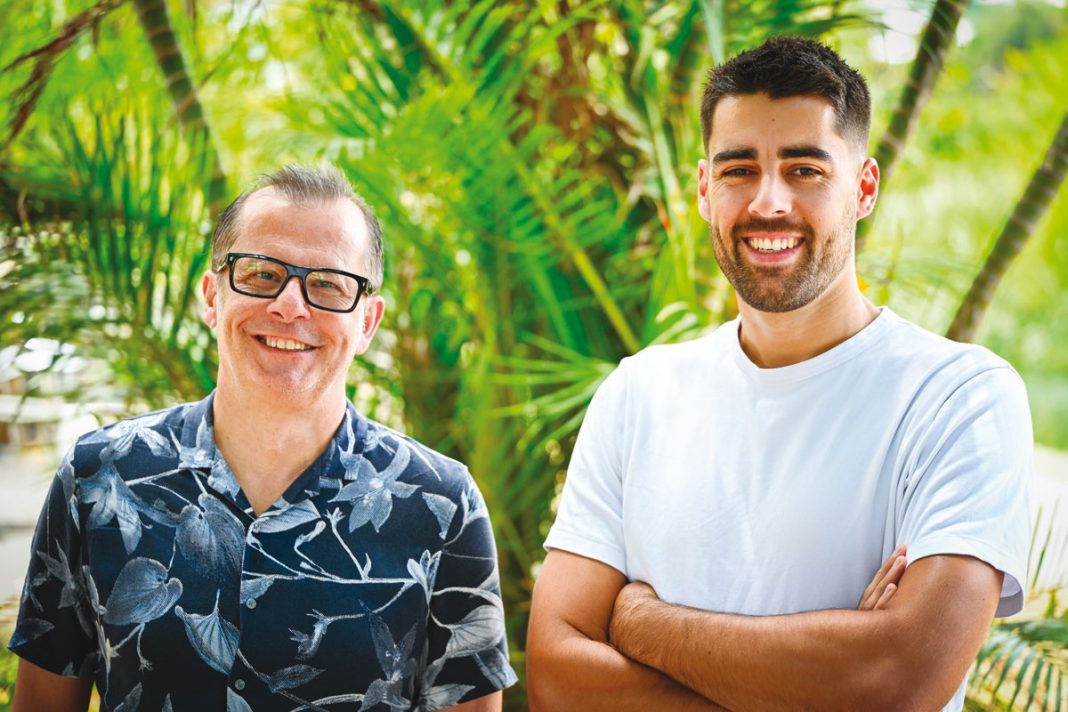
“The best waste is that which is not produced”, declares Pascal Xanthopoulos, citing the famous formula to which the water-soluble film gives new meaning. Before founding PolyBridge in Strasbourg 15 years ago, Pascal Xanthopoulos was at the origin of several important discoveries in the industry which were the subject of several patents, particularly for improving the quality of indoor air in the automobile cabin and reducing volatile pollutants in the furniture industry. Established for several years in Reunion, Pascal Xanthopoulos created a local branch of PolyBridge. It was there that he initiated a partnership with soap maker Artisan Rossolin to develop the dipping process to package soaps with the natural water-soluble film based on alginates supplied by market leader JRS Rettenmaier. The project is certified by the tropical bioeconomy competitiveness cluster Qualitropic.
Ti Pélex : the second life of soaps
Meignen founded this association with the aim of recycling waste hotel soaps to make new bars of soap given to poor people.. With three first hotels playing the game, he appeals to all hotel establishments using solid soaps.
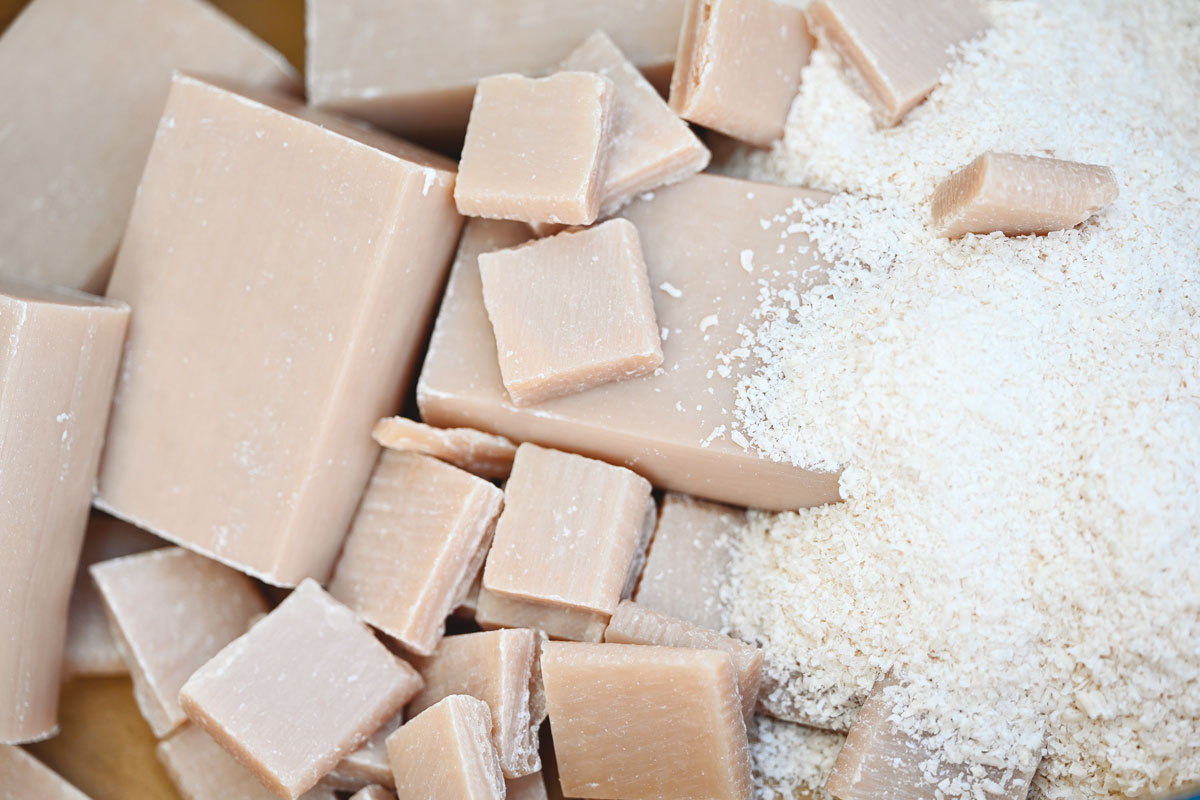
If water-soluble film solves the problem of hotel soap packaging waste, it remains to be resolved that of the soap waste itself. Until the birth of Ti Phénix last July, hotel soap waste had no other purpose than being buried in landfill. There is now another way that, in addition to its environmental usefulness, has a social and solidarity dimension. Ti Phénix wishes to work in collaboration with an ESAT (establishment and work support service), structure that allows people with disabilities to exercise a professional activity. The final objective is to donate recycled soaps to poor people in order to improve their hygiene..
Complete recycling
To rise from the ashes, the soap waste collected by Ti Phénix is first cleaned, then grated on the surface to remove the part having been in contact with its first user. Redistricted, the soap hearts are introduced into an extruder to produce new soaps. These soaps will be given to humanitarian associations who will distribute them free of charge.. As for the crumbs of grated soap, they are also recycled. Mixed with white vinegar or baking soda, they make up floor maintenance products, the sale of which in bottles will help to partly finance the recycling of soaps. A small contribution is also requested from hotel establishments for the collection of used soaps..