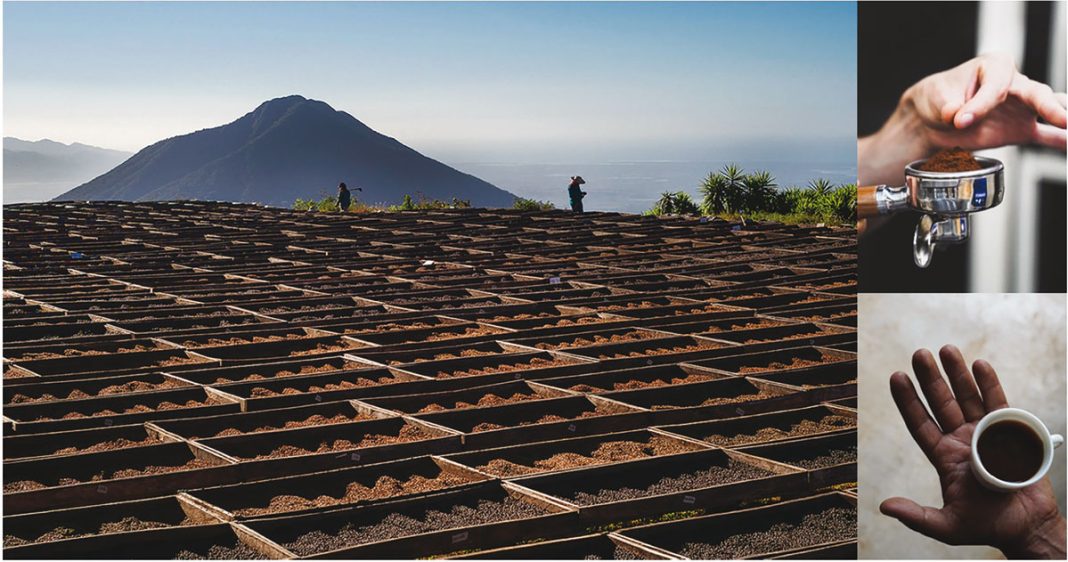

As International Café Day approaches, The Café collective launches an alert : The second most consumed drink in the world after water is "in danger".
 Founded in 1959, The Café collective works to support the French coffee sector by highlighting all professionals in the sector. Representing the main French professional federation in this area, It has more than 180 members and 400 points of sale throughout France and Drom-Com, Mainly small and medium -sized traditional roasting companies. The Coffee collective estimates that coffee, First agricultural commodity exchanged in the world, is under pressure. Climate crisis, Geopolitical tensions, speculation, Aging producers, fall in quality, large distribution practices ... so many factors that weaken the whole ecosystem of the sector. All these parameters have direct consequences on the price increase, increased volatility on the market, soil impoverishment, loss of quality and the risks of long -term shortage. Some figures. Coffee production jumped 60 % in thirty-five years. These are 2,6 billion cups that are consumed every day around the world, And this figure continues to increase. Europe imports 39 % of coffee on its own. Or, in one year, Prices exploded : +75 % for Arabica, +60 % for the Robusta. Production is divided between Latin America (70 %), Asia (20 %) and Africa (10 %). Coffee bonds 125 million families in 60 countries. The average age of coffee farmers now reaches 59 years, And the next generation is not assured.
"Coffee has been standardized at the expense of quality"

France is the 19th country consumer of coffee. The French are 80 % to declare to drink coffee regularly, or an average of 5,4 kg of coffee per year. Nine out of 10 French people buy their coffee in large distribution, While more than 90 % of consumers buy their bread in artisanal bakery and trust the artisanal baker, far ahead of the bakery channels, Hyper or supermarkets and hot spot chains. Finally, A third of French people (33 %) consume their coffee outside the home. "Large distribution has upset consumption habits with the massive arrival of" convenience "coffee, vacuum or pod : an often low -end product, out -of -fresh, Reduced to “grain dust” roasted for years and increasingly “flavored”. Coffee was distorted, standardized to the detriment of quality. Behind appellations like “100 % Arabica”, Sometimes hide very low quality coffees, from intensive and not very traceable crops ”, Affirm the Coffee Collective.
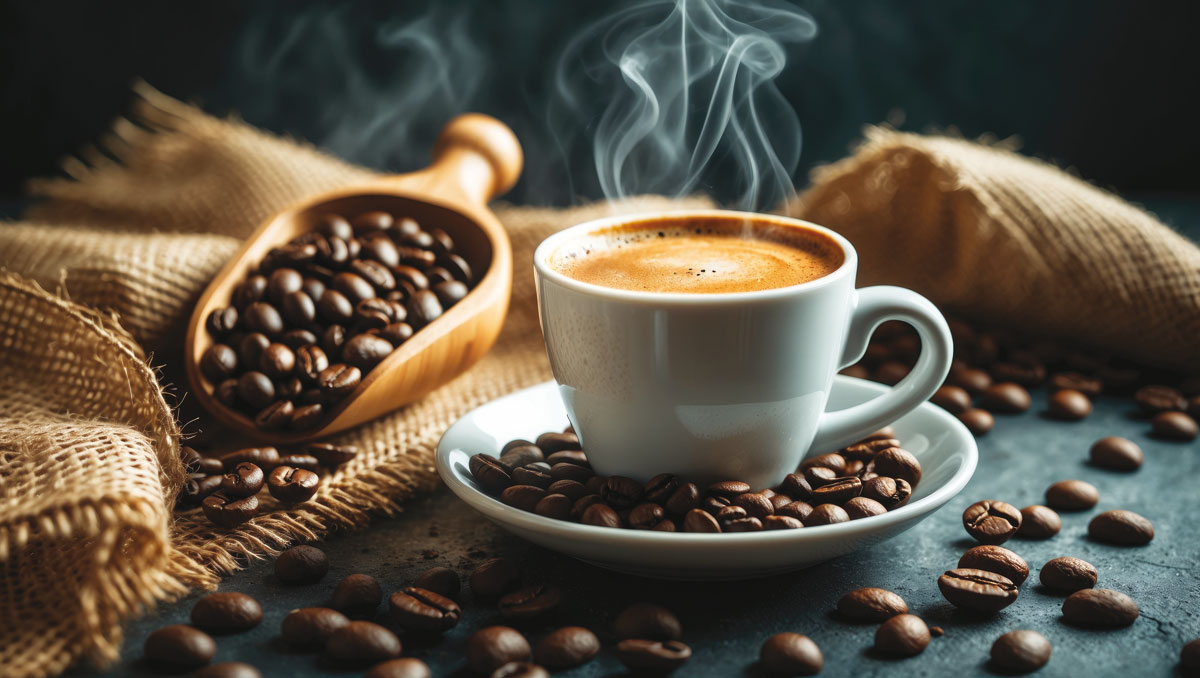
The answer : specialty coffee
The Coffee collective highlights that “specialty coffee is a quality coffee, traceable, respectful of the terroirs and produces in a sustainable manner ”. As for organic labels, It meets demanding criteria. It is noted 80+/100 by the Specialty Coffee Association (SCA). Present mainly among roasters and independent coffee shops, It now represents almost 8 % of coffee sales in France and increases each year by 15 %. From now on, In France, The roasters draw the market towards quality. Plus de 3 500 coffee shops, including more than 1,000 independents, offer coffees to taste, mainly in Paris and in major cities. Grain coffee is more and more successful with a market share of 25,9 % market share, and the sale of machines with shredder explodes (800,000 units per year). Outstanding consumption, especially in coffee shops where latte type recipes, Moka or icy coffee recorded estimated growth between 15 and 20 % in 2024, keeps increasing, with a forecast at +20 % in 2025. The taste experience and the quality of the cafes served determine the choice of coffee shop. The information platform of the World Coffee Portal coffee industry indicates that 49 % of customers attach importance to the origin of specialty coffee, Ethiopia coffee being the most popular.
Call for "qualitative and responsible consumption"
The Café collective calls for a coffee and changes its consumption. "The price difference between a“ convenience ”coffee (or industrial) And a specialty coffee can be compared to the price difference between the wand in supermarkets and the baguette at your craftsman baker. These are a few more cents, which make the whole different in terms of taste and quality. »According to the Café collective, Industrial coffee is € 14/kg in supermarkets, Or 10 cents cup ; specialty coffee at 20 €/kg, Or 14 cents a cup. "A cup of coffee with quality roasting, made in France by craftsmen costs only 0,0€ 4 more than an industrial coffee. »». For members of the Café collective, "It's time to make informed choices for sustainable consumption. Read a coffee label as we read a wine label. Promote traceability, freshness, The know-how of coffee craftsmen. Support producers, preserve quality, remunerate their work. Adopt qualitative and responsible consumption. »»