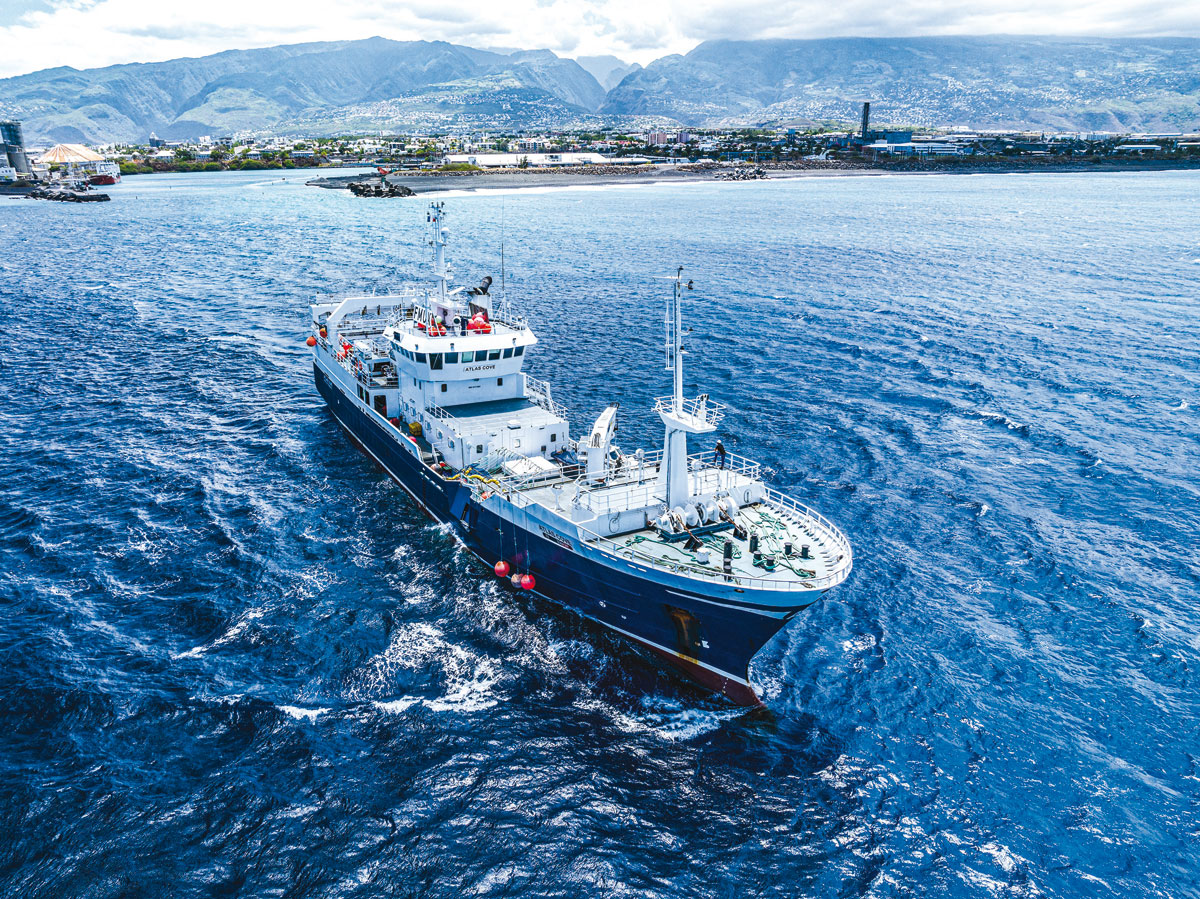
“From the ocean to the plate”, in other words from fishing to marketing through processing, the Reunimer Group is organized into a sector. Enez Fishing, Réunipêche, Reunimer Distribution (new entity bringing together Le Martin Pêcheur, SDPM and Pelagic Meeting ), The Creole Fisherman, as well as Southern Fishing Meeting (for toothfish) and Southern Fisheries in Madagascar (for seaweed farming and seafood) are the main links. During its 30 years of existence, the group was formed, certainly in successive stages, but driven by continued growth which remains relevant today. A little over a year ago, Reunimer has begun crossing a new threshold, first by restructuring its capital – Reunimer now relies on a main shareholder, the Hivest Capital Partners investment fund – then by carrying out a first acquisition of companies outside the Indian Ocean. The Reunimer Group establishes a foothold on the first European fishing platform, Boulogne-sur-Mer, by integrating the Pêcheries des Hauts-de-France companies, import and export fish trading company, Norway, fresh fish wholesale business, et Stargel Seafood, frozen seafood company. Their leaders are new partners of Reunimer Holding. Enough to open up new horizons for him. And changing scale, the group changes image. As he celebrates his 30th birthday this year, it renews its visual identity, displaying its Reunion and Malagasy roots and its unifying role. Where is Reunimer going? ? Connecting past, present and future, the president of the group, Sébastien Camus, highlights the consistency of the values and development strategy pursued since its beginnings.
Meeting Leader : The Reunimer Group was officially born in 2012, why highlight the year 1996 in recalling its origins ?
Sébastien Camus : 2012 is the year of the legal creation of the group. 1996 marks the launch of our very first fishing and processing activity, at the origin of one of our subsidiaries. The history of the group is rooted in the activity of these subsidiaries. Reunimer is therefore the fruit of nearly 30 years of know-how which has been structured in order to create value, to gain impact, in traceability and sustainability, within an integrated model, from ocean to plate. Our DNA is based on mastery of this value chain at all links..
How are you going to mark this thirtieth anniversary? ?
There will be internal highlights with our teams in Reunion, in Madagascar and mainland France, and committed speeches aimed at our customers and our partners. We will confirm to them our growth strategy and the structuring work we are carrying out in order to improve our operational excellence and customer satisfaction.. This message will be supported by a new brand identity more in line with what the group represents today. : a unifying identity, connecting all of our activities, from fishing to seaweed farming. Through these 30 years, we will make everyone better aware of our values and the diversity of our activities.
Link this anniversary to the change in dimension of the Group following its development in mainland France ?
The group is growing at around 10% per year. There is therefore no “anniversary effect” strictly speaking. : we are continuing our strategy. It is true that the arrival of the Hivest Capital Partners investment fund has triggered an acceleration in an area that we were already practicing but on a smaller scale. : external growth. That said, 30 years of existence remains an important milestone for a company to demonstrate its solidity and the constancy of its commitment..
With a workforce exceeding a thousand employees and a turnover now exceeding 100 million euros, should we talk about a transformation of the Reunimer Group following the arrival of the Hivest Capital Partners fund? ?
These figures include all of Reunimer’s activities in Reunion Island., in Madagascar and mainland France. The Reunimer Group, as it is known in Reunion, has 269 FTEs *. Our activities in Madagascar, started almost 30 years ago as well, today represent nearly 700 employees. The growth in staff and figures is mainly explained by the restructuring of the group and the choice to integrate all of the companies under the Reunimer banner.. Hivest therefore did not transform Réunimer, he accelerated a trajectory already underway. In terms of activities, big boost comes from entry into toothfish fishing in 2022-2023. Monitoring of the two external growth operations: the acquisition of Minatchy shipping vessels and our establishment in Boulogne-sur-Mer.
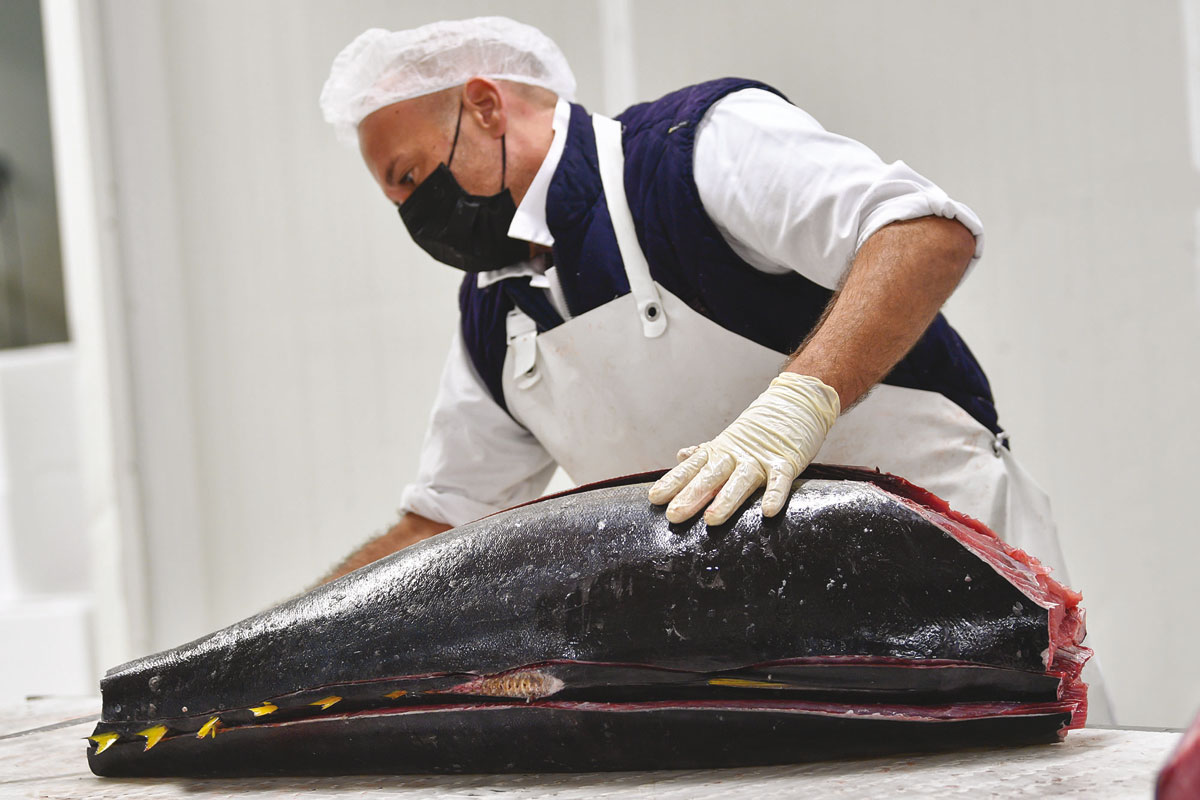
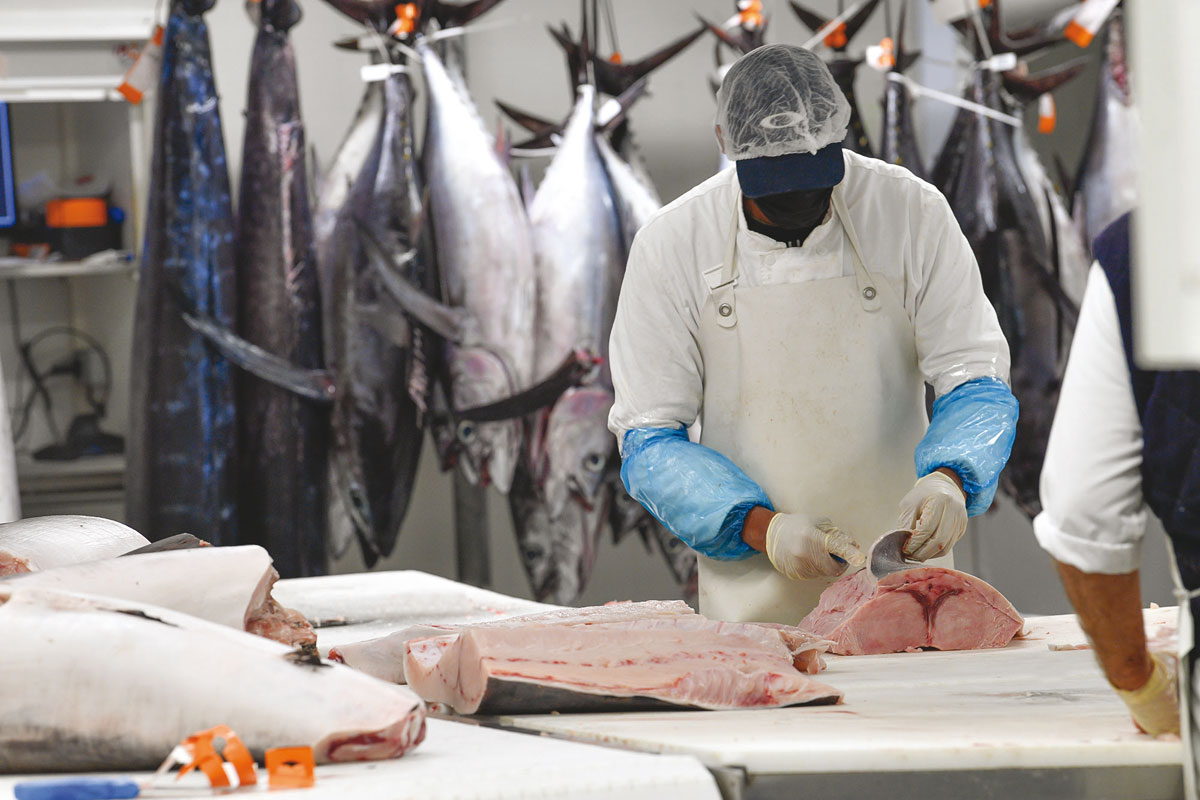
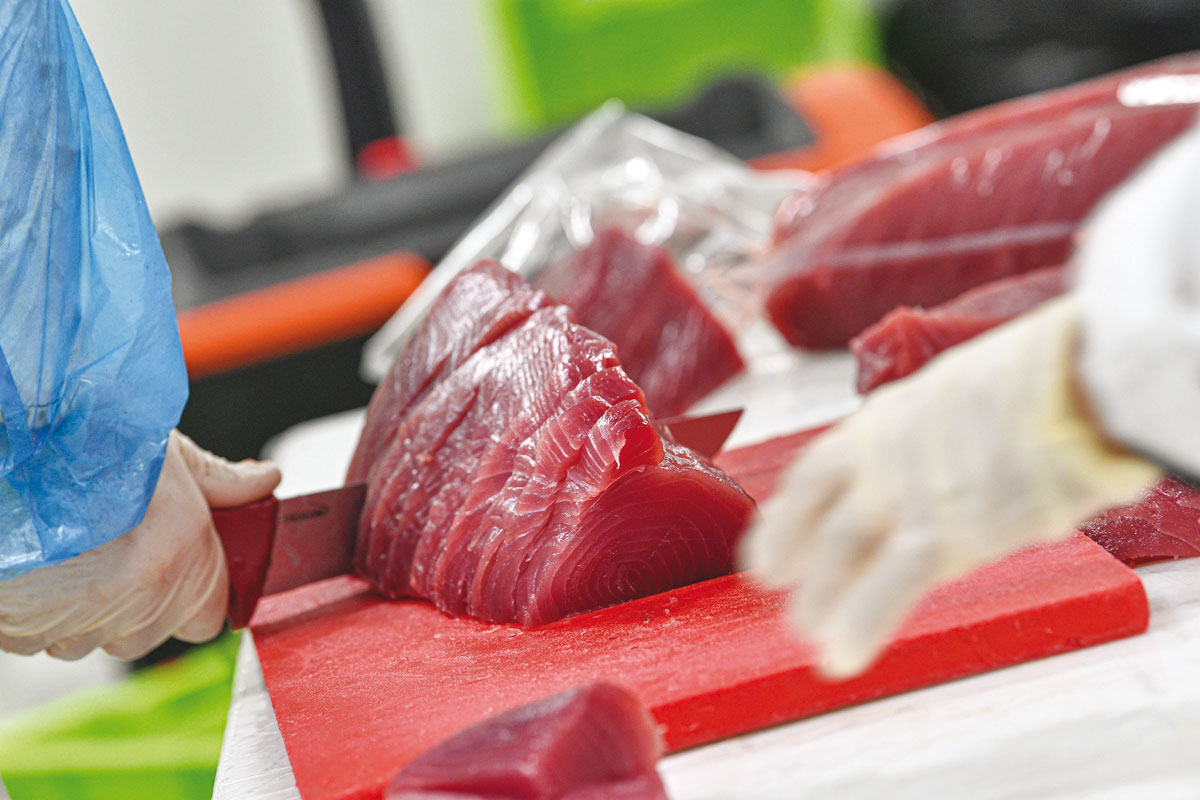
How is the group’s shareholder base made up today? ?
It is based on the historical founders, including Olivier Meraud, general director of Reunimer, and myself as president. Some historical partners have sold their shares, others reinvested in the business. Management makes its entry with the opening of capital to senior executives. The investment fund Hivest Capital Partners is our main shareholder.
Did you have any links with these three Boulogne fishing players before acquiring them? ?
Non, we had no capital or commercial link with these companies. It is within the framework of our external growth research that, through an investment bank, we were put in contact with them. A shared way of seeing the profession immediately worked between us. We understood that we could move forward together on the basis of a clear deal : Reunimer buys the companies, but their senior executives remain on board and reinvest alongside us to continue the adventure. Establishing this type of link is part of our investment strategy. The common desire to act won out over everything else. The synergies will come later.
Is the group's objective now to grow ever bigger? ?
Growing bigger and bigger has no meaning in itself.. Growth must correspond to a strategy and a company DNA. The primary objective of Reunimer, in its development, is to increasingly control the value chain through coherent integration, through operational excellence and control of environmental impact. We started as producers, then our history made us transformers, importers, distributors, logisticians, etc. NOW, are new acquisitions possible ? Of course, we don't forbid ourselves anything. But if we look for new businesses to grow, it will be because they will fit into the strategy that I have just described.
Doesn’t this strategy imply producing more and more and therefore taking more and more shots? ?
Our goal is not to catch two kilos of fish instead of one., but to sell this kilo better and further and further. We refuse any logic of overfishing or uncontrolled volume. In all cases, fishing in the Indian Ocean takes place within the French and European regulatory environment, it obeys quotas which limit catches. Sustainability is a strategic ceiling for us, not an adjustment variable.
In addition to external development, Are you satisfied with the group's activity in this year 2025 with a rather gloomy economic climate? ?
2025 was a year of intelligent resilience for us. The plurality of our activities has allowed us to stabilize. We face, However, to complexities linked to the international political context, for export to the American and Chinese markets, the volatility of the dollar and customs fees. The problem of purchasing power, which has lasted for two years, continues to weigh on Reunion, even if the end-of-year celebrations showed the desire of the Reunion Islanders to have fun. Despite this complicated context, we have obtained good performances and we approach the year 2026 with caution but confidence.
How are the fish and seafood markets doing?, in the meeting, in France and for export ? Are there any trends that characterize it ?
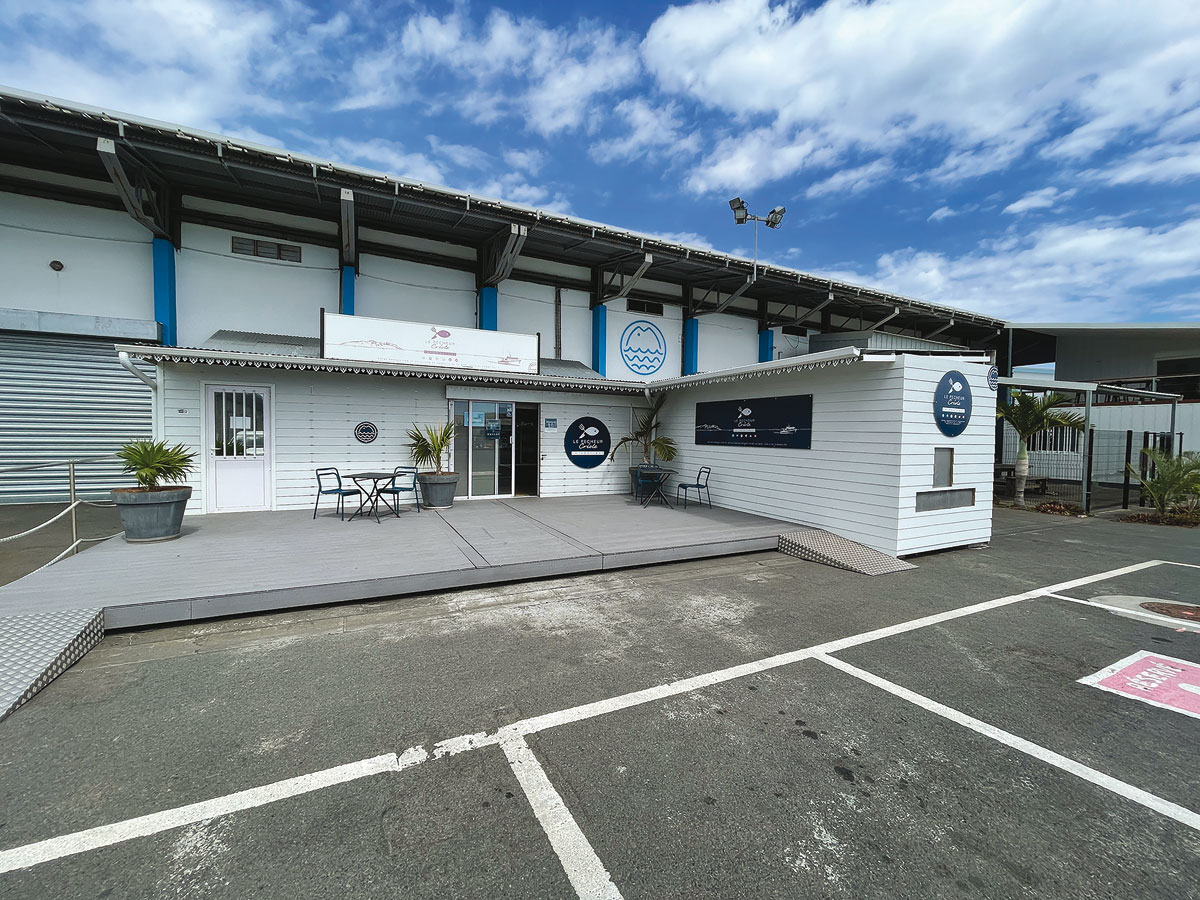
In mainland France, we observe a continued progression of self-service products, as well as catering products, particularly on festive segments, like the aperitif. Self-service now goes far beyond traditional fishmonger aisles.. In the meeting, this trend is less marked. Traditional fishmongers remain very present, and that's a good thing. It is important to preserve these artisanal professions such as butchers, bakers and fishmongers. They participate in the transmission of know-how and the bond of proximity and trust with the consumer. Certain trends are nevertheless common to all markets : the search for traceability, the rise of practical products and price sensitivity. Fish benefits from a positive image linked to health, but it remains very dependent on purchasing power. Our markets are ultimately very balanced between GMS, the CHR and the complementary offer of our small boutiques Le Pêcheur Créole, where our customers have access to our entire offer.
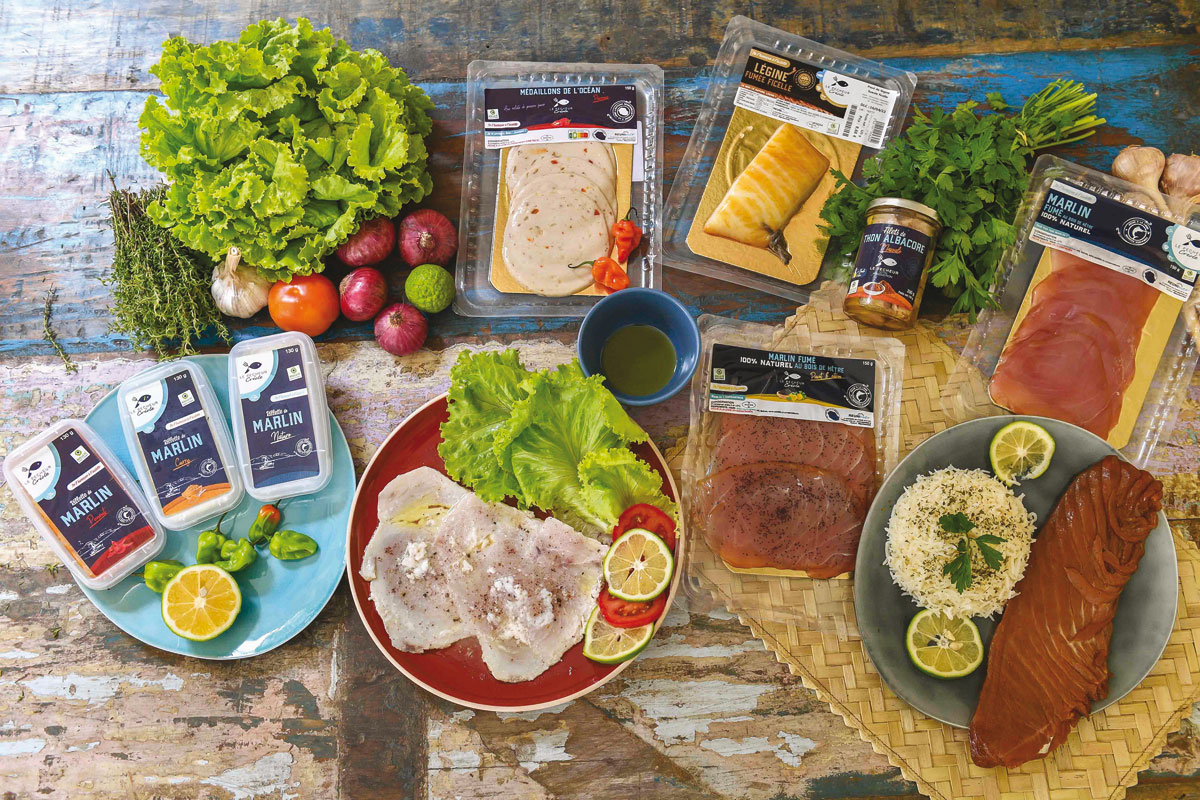
Bourbon Vanilla Smoked Pelagics, skin pack, tuna in olive oil in glass jars, fish rillettes, Bourbon caviar… We saw it again for the last holidays : Le Pêcheur Créole carries out significant marketing work to introduce Reunion consumers to different ways of consuming fish and seafood.. How are these new features received? ?
Our innovations start from an observation : the consumer wants to eat well, to have fun, but often lacks time, landmarks or confidence in the face of fish. Our job is to remove these obstacles to consumption by offering readable products., practices, accessible, without excessive fish processing. Our new products are rather well received, in particular practical formats and identity recipes, anchored in the territory.
What are your links with mass distribution and what place does it occupy in your customer base? ?
In the meeting, more than 70% of food purchases are made in large and medium-sized stores. It is therefore essential to be present. With around 20% of our turnover, mass distribution is a structuring channel for us, but balanced compared to our other markets. Our relationship with large retailers is based above all on a solid partnership, based on the regularity of supplies, the health and organoleptic quality of our products, traceability and adaptation of our offer to consumer uses. The diversity of our offer, between fresh products, frozen and catered, allows us to respond to very different consumer profiles : from the customer looking for a whole fish at the best price to the one who prioritizes practicality, food safety and time saving, without compromise on quality. In parallel, we have developed solid commercial relationships in mainland France, where some distribution customers particularly appreciate the consistency of quality and the practicality of our offer, particularly on cut products, packaged and prepared. To reunite, mass distribution is therefore not just a sales channel, it is a lever for the democratization of fish.
What is the role, in the activity of the Reunimer Group, from Southern Fisheries, who produces octopus in Madagascar, squid, crustaceans, but also seaweed and sea cucumbers ?
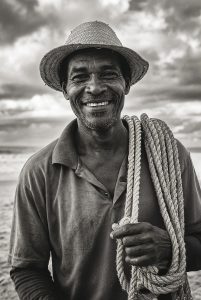
traditional, of which it ensures the daily collection of catches (octopuses, squid, crustaceans, exotic fish…), which are prepared for export in four primary processing plants
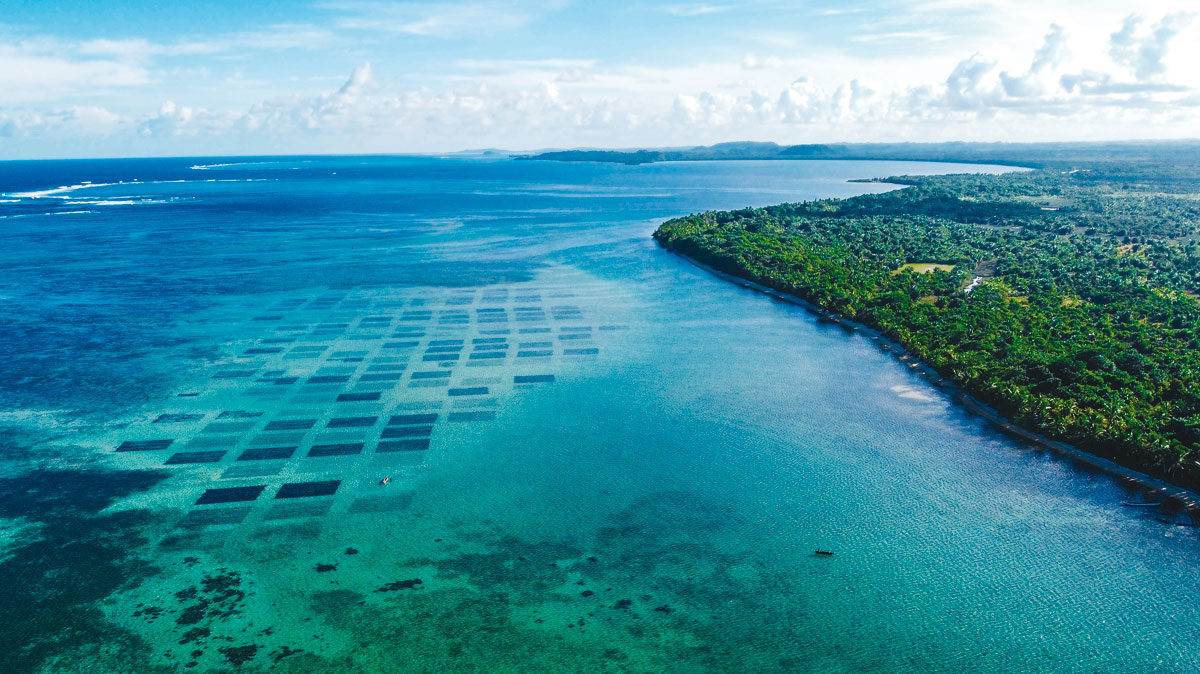
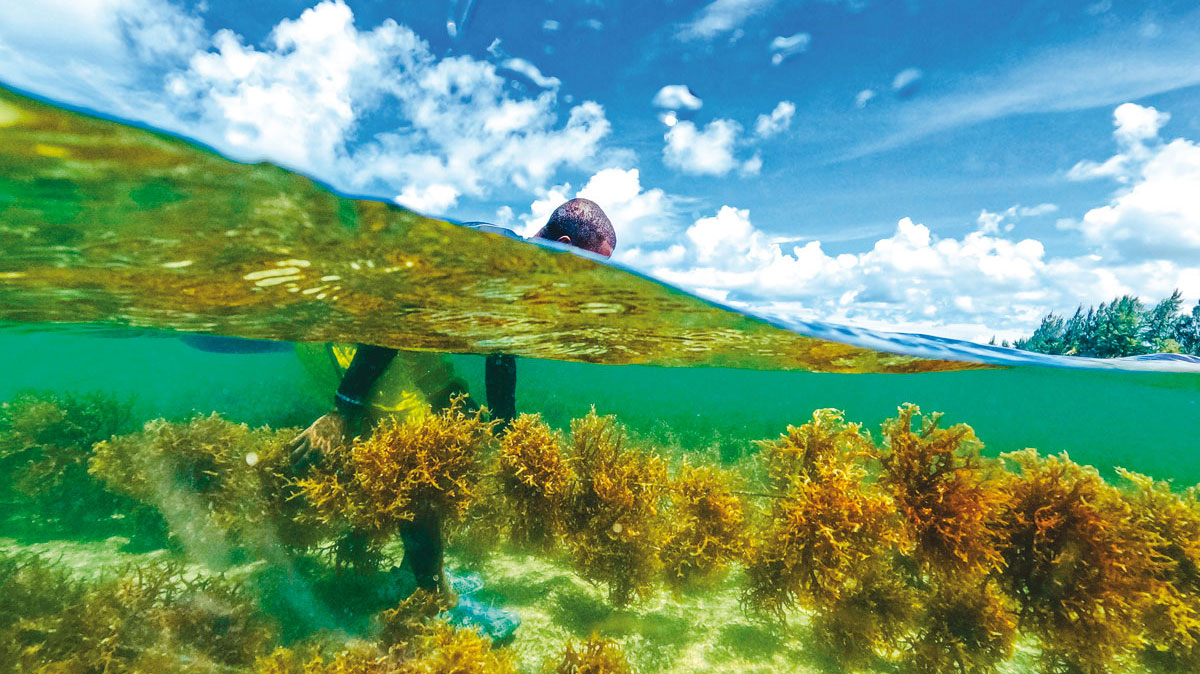
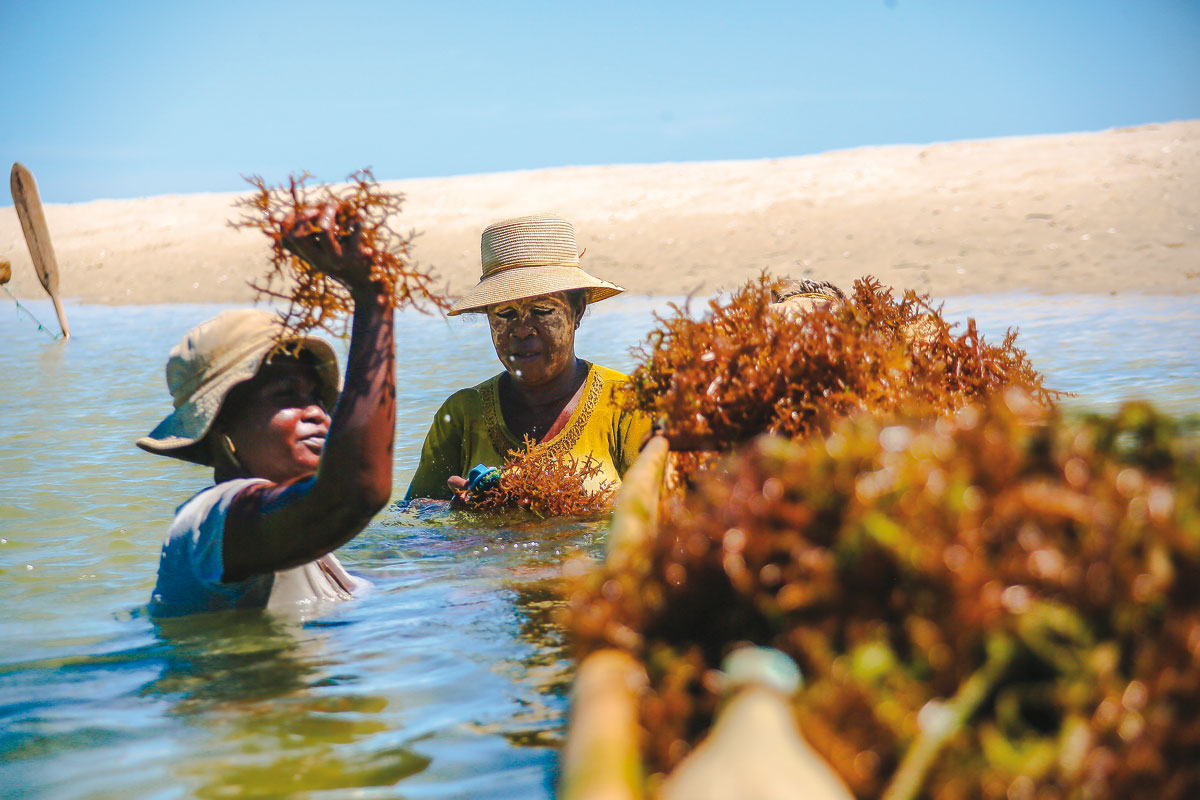
We sold our sea cucumber business two years ago. Pêcheries du Sud allows the Reunimer Group to develop a reasoned multi-resource approach promoting complementary species : octopuses, squid, lobsters, mangrove crabs, exotic fish (grouper, vivaneau, bourgeois…) and algae through the development of seaweed farming. We are the first seaweed producers in Madagascar. Dried seaweed is exported to France for use in the food industry and cosmetics.. But the role of Pêcheries du Sud goes beyond the sole dimension of products. In Madagascar, we have four primary processing plants and nearly 700 employees, excluding algae activity. We do not fish directly, we collect traditional fishermen's products, who are our partners, as well as village seaweed farming. This collection activity is part of our history. With this organization, we create sustainable employment in often isolated coastal areas, we structure local sectors, we transmit technical know-how. Fishermen are trained in good sustainability practices and the preservation of biological balances, on which the sustainability of their activity depends. Our ambition is to create value on the Malagasy territory. Pêcheries du Sud contributes to the economic autonomy of many communities, especially female.
Do you plan to develop your industrial capacities for first and second processing and expand your product offering? ?
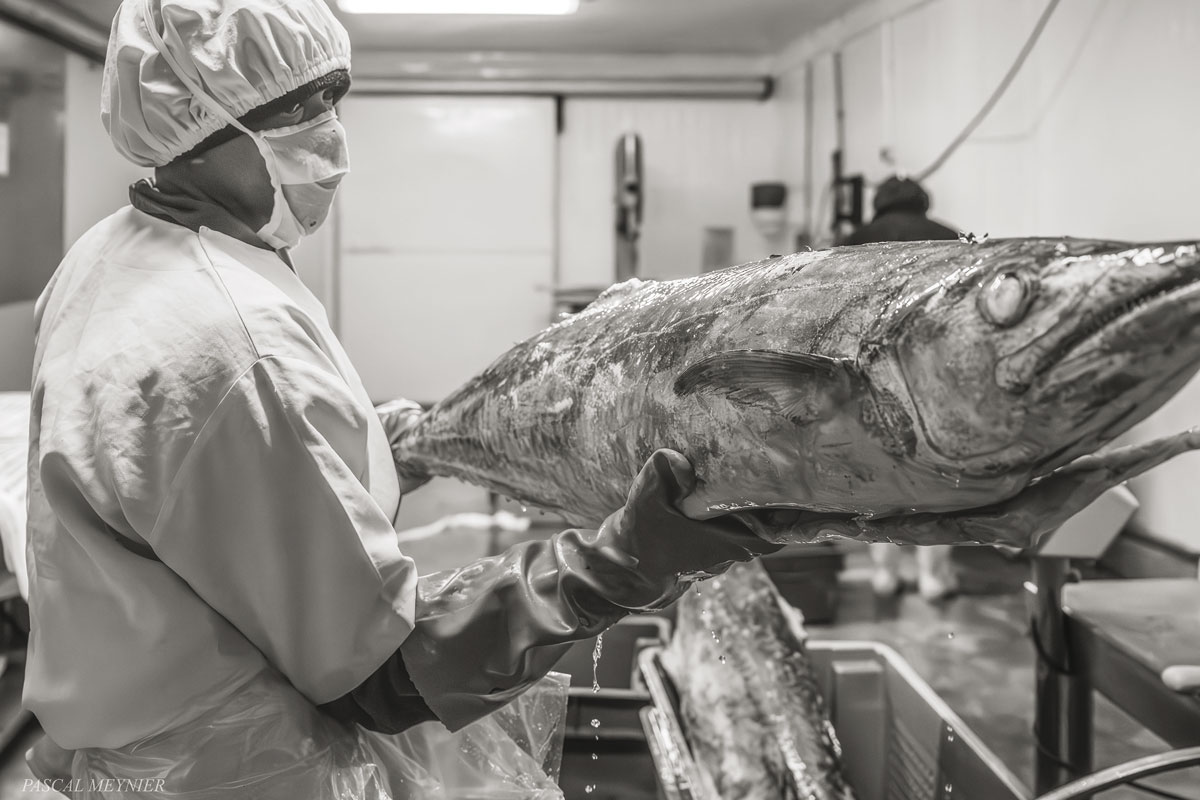
 We have no plans to develop additional capacities in primary processing, in accordance with our choice not to increase fishing volumes. But we are going to modernize our tools in order to improve quality and productivity and reduce our energy consumption., while improving the working conditions of our employees through the use of exoskeletons and by mechanizing where possible. On the other hand, we plan a targeted development of the second transformation : work to expand our workshop began at the end of 2025 for delivery in mid-2026. Always with the same prism : energy sobriety, material yield and adequacy with market expectations. As for creating new products, it will be done in a reasoned manner. In 2025, we have narrowed our range to the most successful products. The objective is to gain productivity on these products to maintain the most reasonable price offer possible.. We are also continuing work on the visibility and consistency of our offer..
What does export represent in your business? ?
Export is strategic while remaining balanced with local markets, which remain priorities. Reunimer is today the only exporter of fresh fish in Reunion. Export plays a role in stabilizing the local market. It secures volumes, promotes species and gives international visibility. It is of course fundamental for toothfish, of which 95% of volumes are exported. But I remind you that toothfish is a recent activity for us. We have been exporting pelagic fish for over 20 years !
 Reunimer changes its visual identity
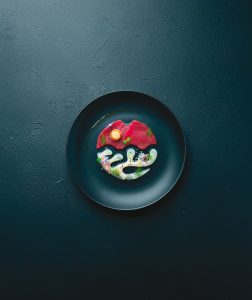
A more readable “REUNIMER” name, a clean logo : “This new signature gains in clarity and impact, explains Julie Cauzo, marketing and communications director of the Reunimer Group. Its typography affirms the solidity and durability of the group while maintaining a flexibility synonymous with agility.. The circle of the pictogram symbolizes the unity of REUNIMER and connects its two historical roots, Reunion and Madagascar, through the shapes of fish and the evocation of the sea and algae, at the heart of all its activities. This new logo reflects a clear ambition : a rooted group, consistent, engaged, looking to the future, faithful to its values and fully aware of its environmental responsibility in the Indian Ocean. »
Considering its price, the toothfish has the image of a vein of gold from the great fishing. Was this fish already caught 30 years ago?, and where does the fame he acquired come from? ?
Toothfish is an exceptional product, pass an eldorado. Toothfish fishing in the waters of the French Southern and Antarctic Territories began in the mid-1980s, with the first Reunion arms campaigns around the Kerguelen and Crozet archipelagos. Originally, it was only icefish bycatch, fished in particular by Russian fleets. Trawl fishing at the time. Toothfish became a targeted species in the early 1990s, when we realized that it looked a lot like sablefish, species highly prized by the Japanese, caught in the North Atlantic. Sablefish having been decimated, toothfish replaced it. Then the Chinese discovered it, demand exploded and, with her, the costs. Later, sustainable fishing certification has opened up the American market, become today, him too, extremely important for this fish. Faced with this enthusiasm, the toothfish fishery has gradually been structured to become one of the most supervised and responsible in the world. Notre certification MSC (Master Stewardship Council) confirms this level of requirement. Today we are the only shipowner to accompany the TAAF on the POKER tides, intended for the scientific evaluation of biomass in these protected areas.
In 2024, Reunimer has obtained ASSURE certification for controlling its electricity consumption. Do energy savings have a financial impact? ?
We have obtained ISO 50001 certification (energy management) in December 2025, following the ASSURE level 3 certification obtained in October 2024. The issue of energy savings is financial and environmental. When CSR joins the financial economy, the approach takes on its full meaning. Energy savings, and CSR in its entirety, are part of our priorities. In addition to the establishment of an energy management system in Reunion, I will mention the installation of solar panels on all our factories in Madagascar.
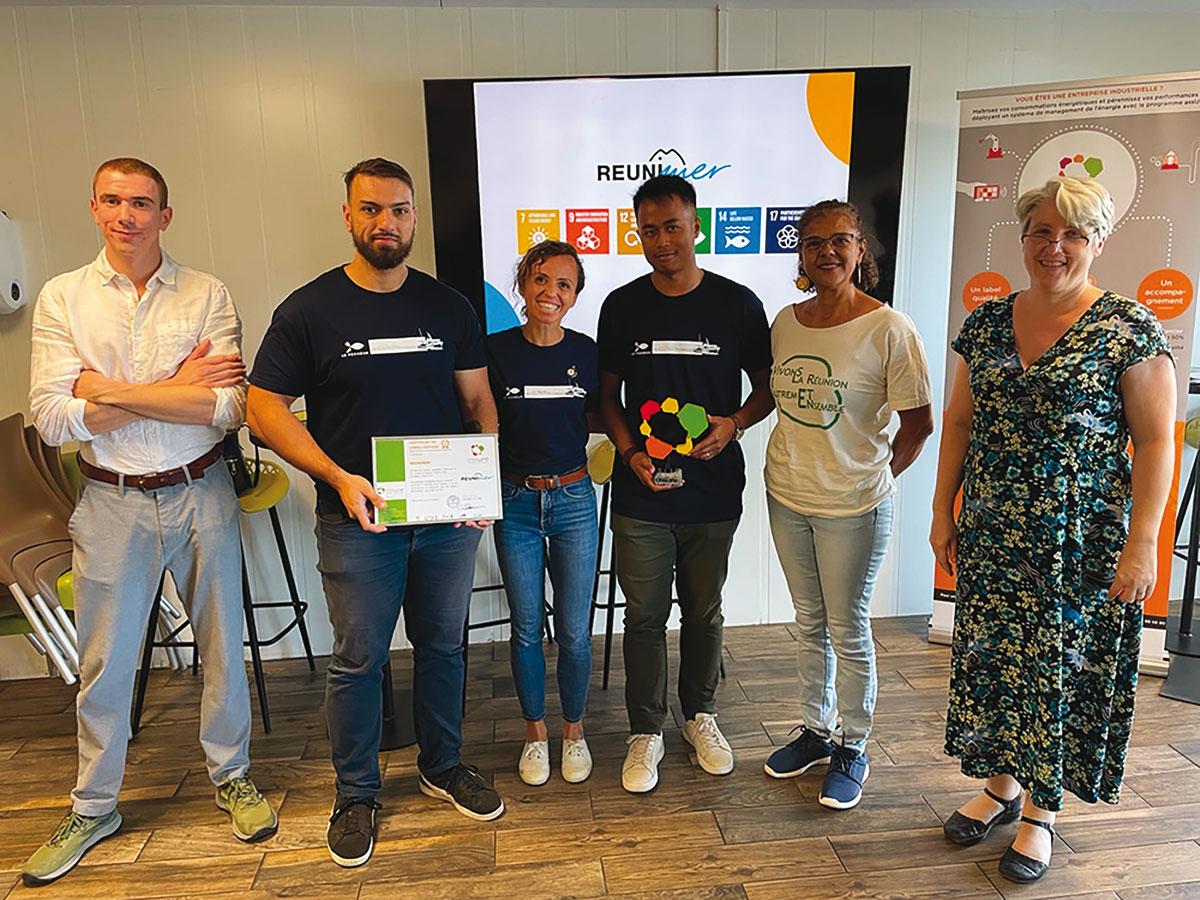
Are you committed to a global decarbonization strategy ?
In 2024 and 2025, we carried out Bilan Carbone diagnostics in Madagascar and Reunion, in order to deploy appropriate action plans. Beyond decarbonization, we have been evaluated for two years by EcoVadis, which measures our progress in CSR. With the evolution of the group, we have integrated the European CSRD directive, which requires sustainability reporting. This regulatory system has evolved significantly in recent months, the obligation becoming more of an incentive. We choose to remain in this approach with the same high level of demands.. We also have a double materiality report assessing, on the one hand, our environmental impact and, the other, risks linked to climate change for our business. How to make our activities last with as little impact as possible on the environment ? We exploit natural resources. We are at the heart of sustainability issues, environmental developments are extremely important to us.
Reunimer fishing companies aim for environmental exemplarity. Can you recall the main axes of your CSR policy in terms of fishing? ?
Our CSR policy is based on three fundamental pillars. Sustainable inventory management, in order to preserve the resource in the long term. Certification and recognition of good practices : MSC certification for our swordfish fishery in 2016, sustainable fishing eco-label on toothfish in 2022, MSC certification for toothfish in 2025, sustainable fishing eco-label for pomegranate in 2025. The safety and working conditions of sailors are also an absolute priority in our fishing activities..
Construction of the maritime professions high school has just started at the Port. Find the skills you need in Reunion ?
Recruitment remains a difficulty. Our jobs are demanding, both at sea and in the factory. But we integrate a plurality of activities opening up numerous outlets : sailors, mechanics, electricians, frigoristes, logisticians, factory operators, heavy goods vehicle drivers, all administrative functions. We clearly have the ambition to strengthen our employer brand in order to better promote these professions and the career paths they offer.. The maritime trades high school is excellent news and we are working in collaboration with this establishment. We also have exchanges with the seafood training center in Boulogne-sur-Mer.. One of the training managers of this center visited us several times. He knows our business well.
With the development of the group, will the employment prospects offered to young Reunion Islanders be extended to the mainland? ?
Yes, and also in Madagascar. The group's current development opens up new opportunities for geographic mobility, evolving career paths, with expanded careers across the group.
* ETP : full-time equivalent.
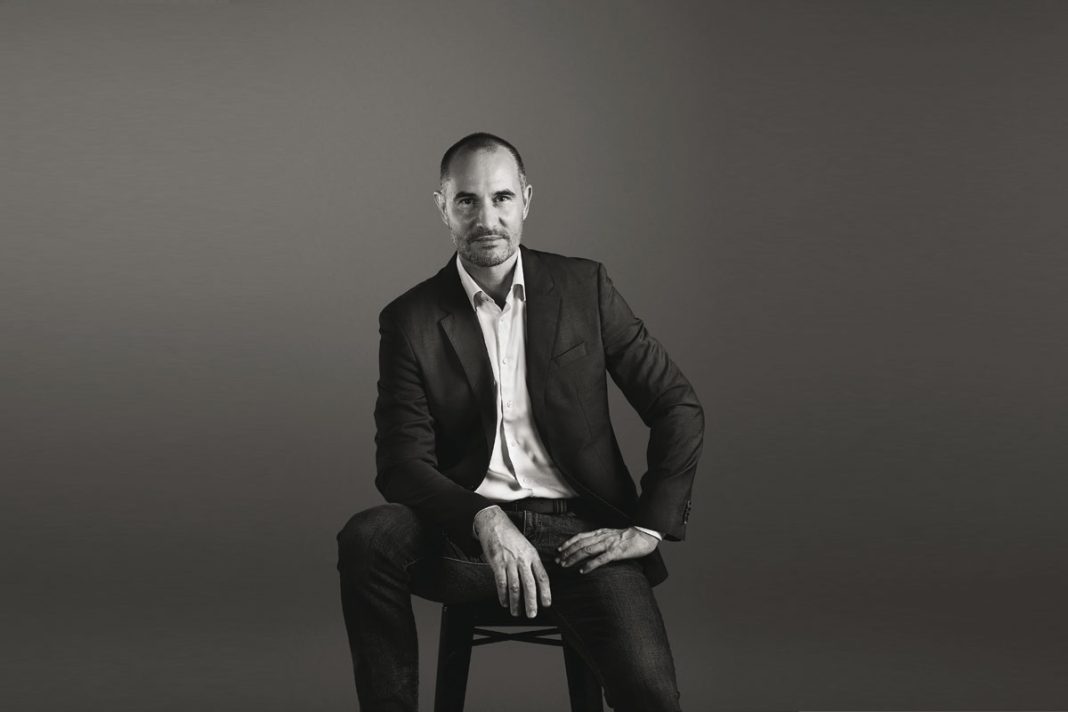
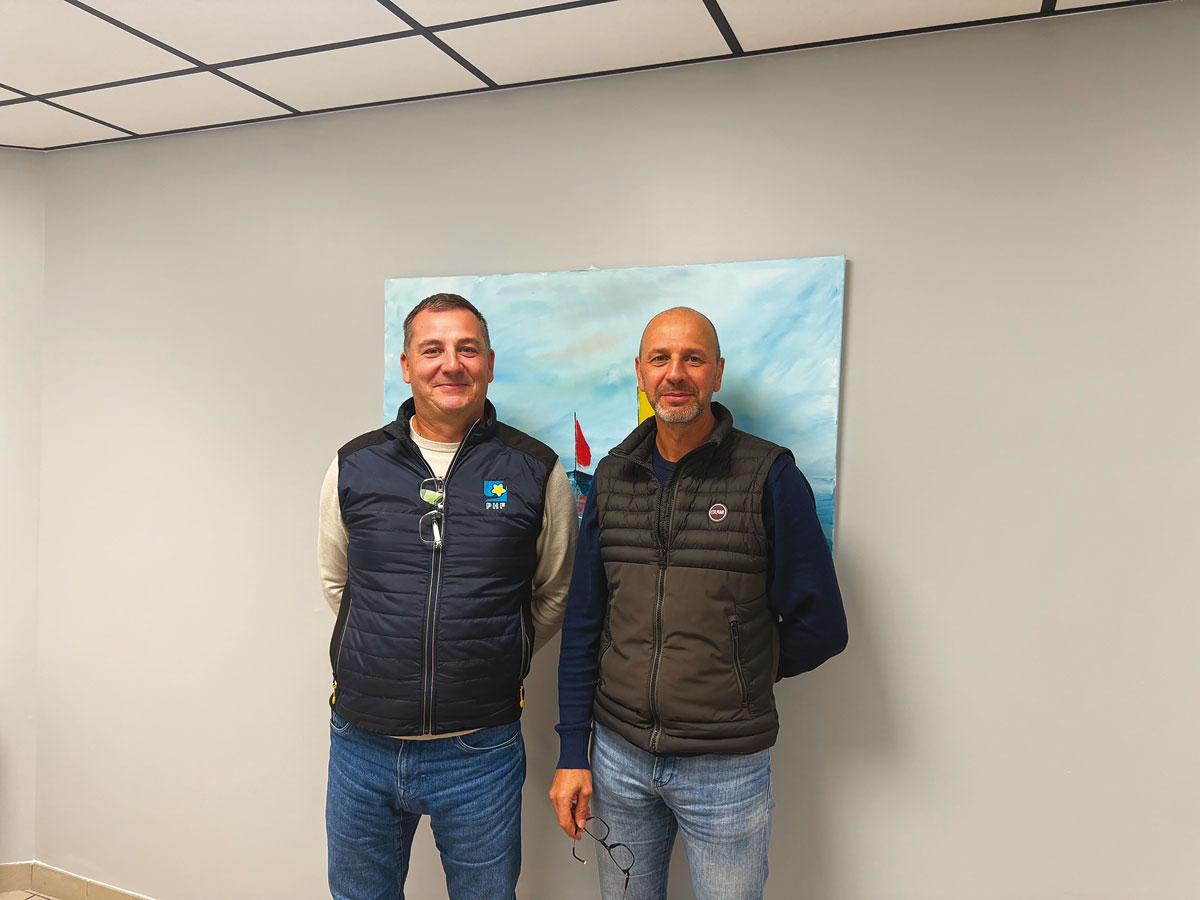
Sébastien Camus, captain of Reunimer
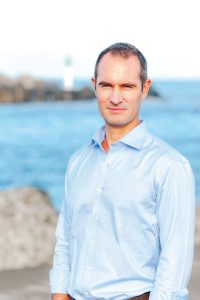 For Sébastien Camus, the adventure began in 1999 with an internship in Madagascar, “in charge of the quality and implementation of collection from Malagasy fishermen. I spent my life in the bush. » In 2002, Sébastien Camus, back to Reunion, becomes co-manager of Réunion Pélagique, fish processing workshop. “At the time, my office was at home. We spent all our evenings and weekends filling boxes of fresh fish into trucks to ensure deliveries. » 2012, birth of the Reunimer Group : Sébastien Camus becomes president. Fourteen years of growth later, at 50, he ensures its management at a completely different level of responsibility. “My role today is much more in finance, governance, the strategic vision. I organize and try to anticipate. My job is a bit like that of a football team coach. I have to find the right people to make the team perform at its best., with constant priority : prepare for the future without ever betraying Reunimer’s DNA. »