
The story of Castel Frères in Reunion began in 1979, When the group has entered the capital of the wine company of the Indian Ocean (Covino). Covino has become a 100 % branch of Castel Frères in 2005. Many events have punctuated the development of the Reunionese company, But the change of corporate name occurred at the end of 2024, Followed by the inauguration on May 5 of the renovated and modernized trafficking factory, clearly mark the desire of the Castel group to open a new page in this industrial history attached to the meeting.
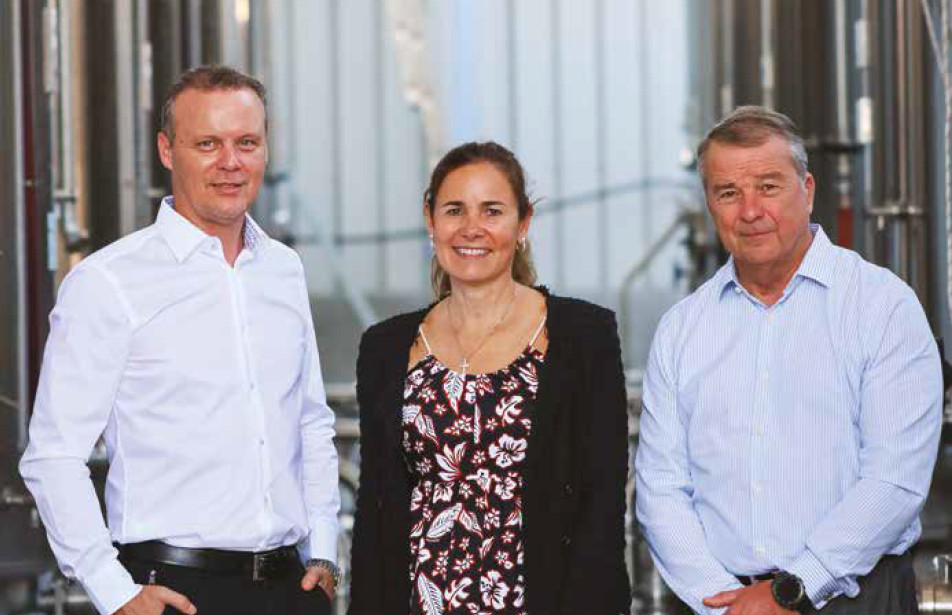
It is a rich chapter of potential that begins for the Reunion establishment, As Alain Castel explains to us, general manager, and Sophie Palatsi, Delegated Managing Director, of the wines of the Castel group, third world wine operator and first French and European producer. The two leaders came to celebrate the official end of the work of modernization and enlargement of the endeavor site, which will allow the upmarket of locally stamped wines. And this is a growth and influence strategy in Reunion, but also in the neighboring area of the Indian Ocean, even further, taking shape. Under the operational leadership of David Cailleux, CEO of Castel Réunion, This investment of more than 5 million euros funded on its equity by the Castel group, will allow traffic jam, this year, of the flagship and historical brand of the group, Old -fashioned. As soon as the local subsidiary has confirmed its ability to bottle the group's premium wines, The way will be open to a reduction in imports of wines from the metropolis as well as to a re -export activity to the surrounding markets. Castel Réunion would thus become, eventually, Castel's hub in the region. A bright future in perspective for the Reunionese company, On a wine market that evolves quickly with the new ways of perceiving and consuming the wine of the new generations.
Meeting Leader : Castel associates with the meeting a production activity, with traffic jam, and wine distribution. Is this configuration specific to Reunion or is it found in other subsidiaries of the Castel group in mainland France or in the world ?
Alain Castel : A company is necessarily adapted to a country, at a market, to competition too. However, There are indeed activity equivalences with Castel Réunion within the group, outside the metropolis. We thus had a traffic center in Russia, in Kline, Near Moscow. With the war in Ukraine, We closed it : He is no longer part of our group. We have roughly the same equivalence in Africa, in several countries. Especially in Côte d'Ivoire. In West Africa, I will quote Cameroon again, where we had a traffic activity that we interrupted, But that we should resume very soon. In Ethiopia, We exploit a vineyard and produce wine, So we have a traffic activity on site. Also in Morocco, We produce wine, We kick and distribute. And in this comparison of activities, I do not forget the Nicolas brand, of which Castel Réunion has the Master-Fanchise for the Indian Ocean, with 16 cellars : 10 in Reunion, 4 in Madagascar and 2 in Mauritius. We have about twenty Nicolas outlets in Morocco. One thing is certain, is that you have to master a job from A to Z, from its starting point to its purpose by being as professional and the most specialist as possible. You always have to have in order that, Behind the distributor, There is the consumer. From the start of a product until it was put on the market, We must always ask ourselves if the consumer will be fully satisfied. It is this work of professionals that we carry out.
The Castel group is the third worldwide worker in wine, The first wine producer in France and Europe. Can you give an overview of this international influence ?
The wine center brings together several establishments in the largest wine regions in France, with traffic jam centers with a production capacity of a hundred million bottles per year for each of them. We produce a total of 350 million bottles. A large part is intended for the metropolis market, The rest is exported to nearly 140 countries around the world. Castel Frères, It is also wine properties. We are exploiting around twenty properties, mainly in the Bordeaux region, also in Roussillon, in Provence and in the Nantes region. Our distribution activity takes several forms. For direct distribution, The Nicolas network, which is fully part of the group, ie some 500 stores in France and internationally. We are also present, Since the takeover of Vinatis in 2022, in wine e-commerce. Vinatis is number 1 of the sale of wine and spirits on the Internet. This wine e-commerce activity generated 78 million turnover last year, A constant figure. The only distribution channel that is progressing today in the wine trade, it's e-commerce.
The largest of wine sales are not in supermarkets ?
They are down. In the retail, I think the hypermarket model, of department stores, interests younger generations less. In the 1970s and 80s, It was a pleasure to go shopping, It was an outing. We devoted almost all afternoon ! Today, The races are perceived as a chore, a simple obligation to eat. The new generation finds simplicity in e-commerce, the ease, the practicality, that she is looking for not having to move. This is true for wine as for all other products that can be distributed through e-commerce.
How is the wine market and how does it change ?
The general observation, It is a drop in wine consumption. It is not date of today, but continues. She started in the late 1970s. At the time, in a city, There were about 120 liters of wine per year and per inhabitant. Today, We are gone to 45 liters. And this drop is accentuated. Until recent years, It was 1 %, 2 %, at worst 3 % per year. She was manageable. On compensait, by new acquisitions, New product offers. For two years, The annual drop in wine consumption is between 5 % and 8 %. Such a strong decline is more difficult to manage. And he refers to the production of winegrowers, suffering. We believe that the consumption of wine will be able to stabilize around 35 liters per person. We will therefore still experience a recurring drop in consumption for a few years. What is certain, it is that she will eventually stabilize.
Wine interests young people less ?
Young people want to consume less and consume better. Consumer behavior, Consumption moments, change. In wine consumption habits, Young generations are not comparable to the generations of our parents. We also see it in the growth of the segment of alcohol -free wines or with a low alcohol content. Castel is also preparing a specific offer for this clientele.
The consumption drop affects all wines ?
It is especially observed on the reds. Red is the color of meals wine, Wine consumed with family. Ce moment convivial, The family meal, the young generations are more and more abandoned him. For this reason, they drink less red. On the other hand, The pink and white colors, they, are doing pretty well. These are the colors of aperitif and party wines, fresh, on the rocks, between friends. They are easier to consume. This consumption attracts an important female clientele in particular. The fact remains that the main volume of the market is done on the red color, And it is this consumption that tumbles. We must find a balance so that the market rests and that it takes up forms, even colors.
Other wines consumer countries are in the same situation ?
Yes, The deconstation of wine is global, including in the United States, which remain the first wine market in the world. Consumption is not there per capita, But there are 250 million adults in the United States ; necessarily, Consumption is higher there than in France. In China, The collapse of the wine market has another reason. China was an Eldorado for wine and spirits to the anti -corruption law of President XI Jinping. Imported wine consumption has almost disappeared in China. It is limited to hotels and places a little more Western. It was a collective consumption, linked to banquets and events in administrations, in the armies, where everyone made gifts. This is where the market was. The day the anti -corruption law applied itself, rightly so, All the customers of civil servants have been afraid and the Chinese market dissolved overnight. Collective consumption has come to nothing. We thought it would turn into individual consumption, in homes, But the Chinese do not drink, do not feed, In the same way as we. Individual wine consumption has remained nonexistent.
What place does the Réunion and the Indian Ocean occupy for Castel ?
The Indian Ocean Wine Company, Covino, Created in 1954, was taken up by the Castel group in 1979. We have more than 40 years of history with Reunion. It's not nothing. Wine consumption in Reunion is not negligible. The population of the island, nearly 900,000 inhabitants today, increase. Reunion's economic development is better than that, total, from France. All the factors are gathered so that we are an ancient in Reunion. It is part of our kingdom, and, I often say it, You have to know how to stay in your kingdom. Another value of the meeting for us, This is his position in the Indian Ocean. Madagascar is not far away. Either the African continent either, with all its economic potential. These are all links that are and must remain in place to maintain the unity of our group ecosystem.
Does the meeting are intended to become a hub for the re-export of products ?
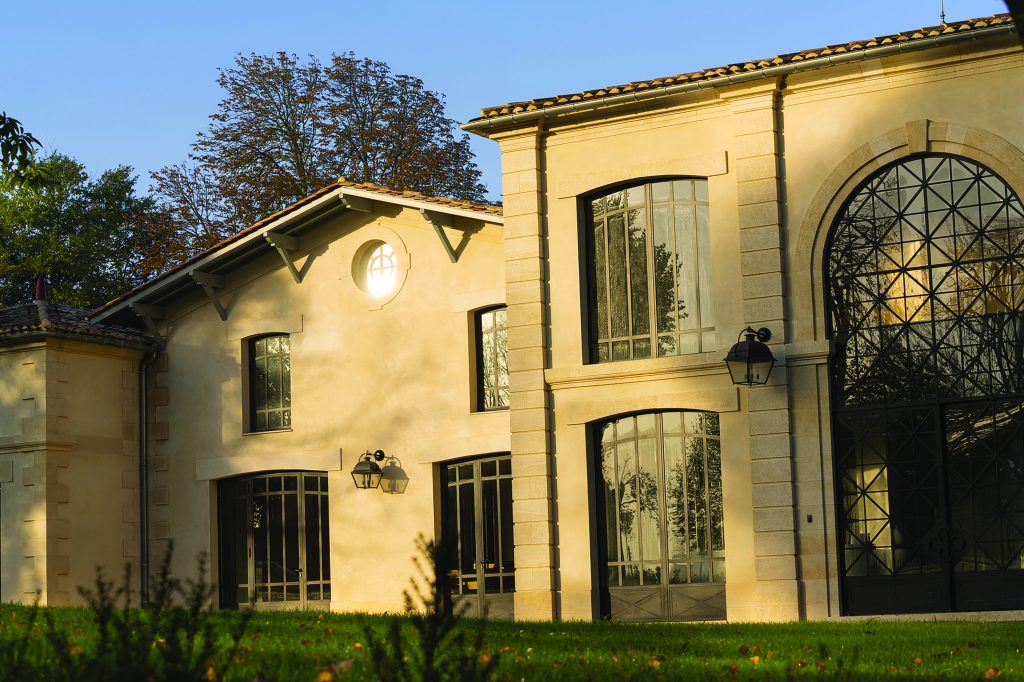
At this level also, Reunion has its qualities, its advantages. Already by his good knowledge of the Indian Ocean, of the regional economic system, Between South Africa, Madagascar and all neighboring countries. If a platform, As you hear, must develop, It will be in the meeting indeed to play this role. This is already the case with the opening of Nicolas stores in Maurice and Madagascar. It is from the meeting that the development of the Nicolas brand is made in the region. The Rexteport, that is, locally bottleded production, As we do for the Reunion market, But which would be intended, either to the other islands in the region, either to more distant countries : This strategy is quite possible. It also depends on opportunities. Life is made of opportunities, It’s the same in business. In all cases, Our group pursues a logic of growth and, To perpetuate our interests in Reunion, We are open to all possibilities. With the in -depth modernization of our Reunionese traffic plant, We give ourselves new qualitative and quantitative means. But things will not be done at once. Export from meeting can only be part of a long -term vision. It will be necessary before stages that will confirm - or not - if we can advance in this direction.
We can therefore imagine that one day of the wines bottled in Reunion will leave towards South Africa and East Africa ?
Why not ? It goes in the direction of our history with Reunion. It also goes in the direction of what I said earlier : consume, but better. Our Reunionese industrial tool is now adapted to market developments and opportunities. It is the most demanding environmental standards. These new investments will make it possible to develop high quality traffic jam in Reunion. This year we will locally embustle our historic brand old popes, Created in 1949, Our first brand on the French market. It's not nothing. The Reunion site will be able to bottle other French and international brands, South African wines for example, if he manages to fully fulfill this mission. I believe it very strongly. Since then, If we kill our big brands in Reunion, Why not export them from the meeting to other countries of the Indian Ocean.
More and more consumers integrate the environmental dimension in the choice of products they buy. Is this also the case for wine ?
Sophie Cerate : It is. I will give you an example in Reunion itself. When we arrived we had the chance to be able to visit several stores. I remember watching a consumer in front of a wine department : The only bottles she was going out to watch them had organic green logo. The environmental impact of wines is taken into account by an increasing number of consumers. We are ready to meet this expectation. All our wines are certified Terra Vitis. We have chosen to go to this specific wine label, Because it defends sustainable management of the vineyard based on reasoned agriculture. It reflects a real recognition of the work of the winemaker. Going to environmental wines will clearly be the choice of consumers of tomorrow, And this trend completely joins the philosophy of our company. Between the environment with waste control, Reduction of energy and water consumption, The social component with training, Safety and quality of life at work, the societal component through various initiatives, Sustainable development has a structuring role for the group. This ambition includes Pastel Réunion today.
How do you see the future of the Castel Frères group ?
Alain Castel : I will refer to the founder of the group, Pierre Castel. It was a self -taught boss, who was done by himself. He always told us that when we are big, We are called to grow all the time, Otherwise we will be widening. We must always act in a logic of growth, Always go ahead, despite the difficulties. This is the logic of business. You have to make sure they work and perpetuate them. If you need new acquisitions to meet your goals, You have to be able to do them. The company must have sufficient equity to deal with hard blows and despite everything to continue to move forward ... Castel has been a family business since its creation in 1949. I belong to his second generation, Sophie Palatsi in her third generation. I would say that our history continues and that it must remain family.
A renewal in loyalty to the origins
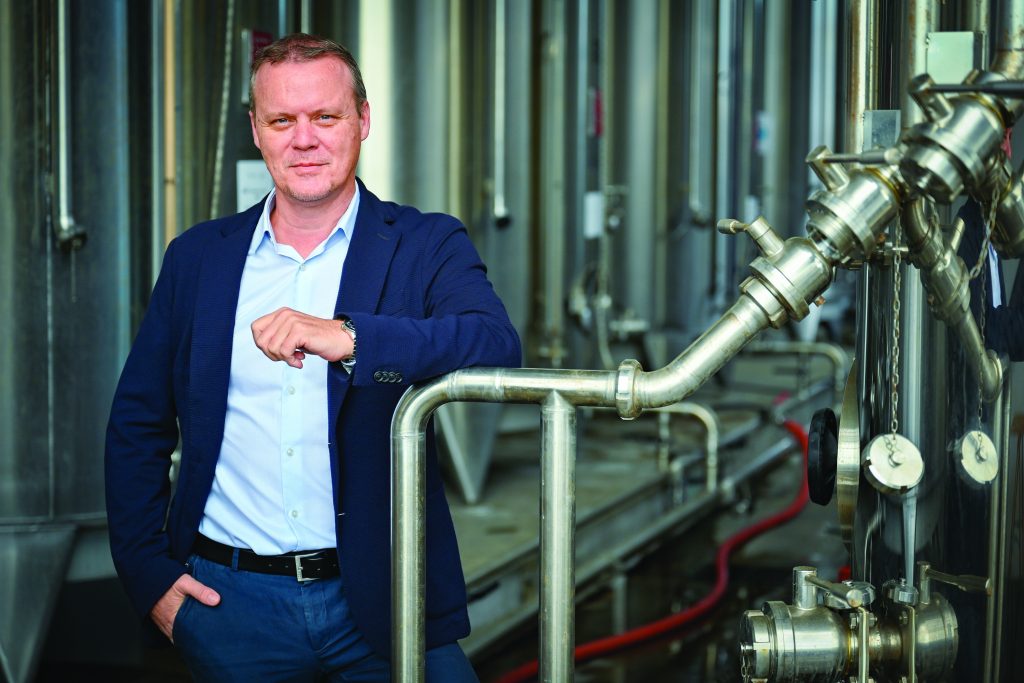
David Cailleux, CEO Director of Castel-Réunion, describes the renowned and renovated establishment which engages in a new stage of its existence, while remaining attached to the spirit and historical marks at the origin of its local anchoring.
How should we now call society : Castel, Castel Frères, Castel Réunion ?
David Cailleux : Officially, it's castel, The name appearing on the facade of the building. The same as in Blanquefort, at the group's headquarters. But it is true that, in our internal exchanges, We are called "Castel La Réunion". Each subsidiary of the wines pole differentiates according to the geographic area where it is positioned.
What motivates this name change and the important investments linked to it ?
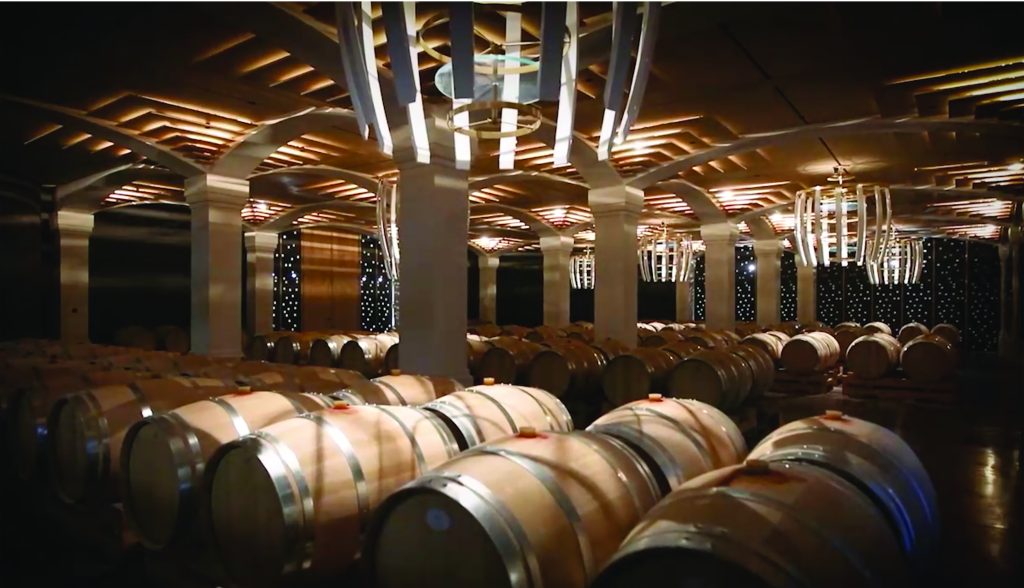
The Indian Ocean Wine Company, or Covine, was created in 1954. The Castel group entered its capital in 1979. She has always stayed at the same location at the port, Near the quay where the bulk wine was unloaded. In its structure and functioning, This emblematic site had changed little since all this time. He had enlarged himself in area by developing, But without being able to integrate all developments in regulations applying to industry. We therefore had the obligation to meet current standards, especially security and environmental. It was also the group's desire, which is fully involved in CSR in all its production sites. This upgrade was part of a need for logistical and industrial modernization. Our storage capacity, especially, no longer suited our expectations. As for stock Nicolas, He was deported to another site. To the objective of bringing together all of our storage activities on the same site was added the need to increase our capacity in a vintage, Too limited to continue to diversify our offer of wines between IGP, AOC, European Union wines. The management of the arrival of the VRACS and the storage of wine before its bottled became more and more difficult. The Castel group wanted us to be able to exercise our profession in Reunion in the same way as in its other sites in France. It’s done today with a new breeding, A new quality laboratory, Building standards, improved production conditions. The name Castel on our facade means that we are expected at the same level of requirement as the whole group. This change also marks the group's recognition to our company-both vis-à-vis our customers and our employees, strongly attached to their work tool. From now on, This assertive identity collectively commits us to continue our development with ambition, requirement and pride.
Does the factory renewal incorporate a CSR component ?
It is a very important component of the modernization of the site. And we are accompanied by the industrial and CSR management of the Castel group in this desire to best respond to the challenges of today and tomorrow. We are now equipped with an organic treatment and wastewater treatment station station. On the waste part, We have implemented a rigorous sorting, on the glass part, The plastic part, the cardboard part, etc. We are currently studying the modernization of our equipment to consume less water, This subject like so many others is very important to take into account now. On the energy component, The insulation of the roof accompanied by breaths and extractors allows us to better manage the interior temperature of the factory for well-being at the work of our employees. Part of our offices under roof have also been isolated to limit the need for air conditioning. We are going to cover our roof in photovoltaics. I am about to launch the call for tenders for managing our electricity needs from these photovoltaic panels. I think the signature will be done at the end of the year.

Modernization is accompanied by a strengthening of the team ?
Indeed, We have gained skills with the recruitment of a production and logistics director, Teddy Laurent, Training production management engineer, and a QHSE manager, Out of Sam-Mine, Training agrifood engineer, who has a good experience in the wine and traffic jam sector. These two employees returned to their homeland, in the meeting, We benefit from the knowledge they have acquired in metropolitan France to support the transition from the company. We also now benefit from the group's experience on a daily basis. Our teams operate in a transverse way with the management teams of the various departments of the group. They are directly linked to their counterparts based in mainland France.
Should we talk about a new start for the company ?
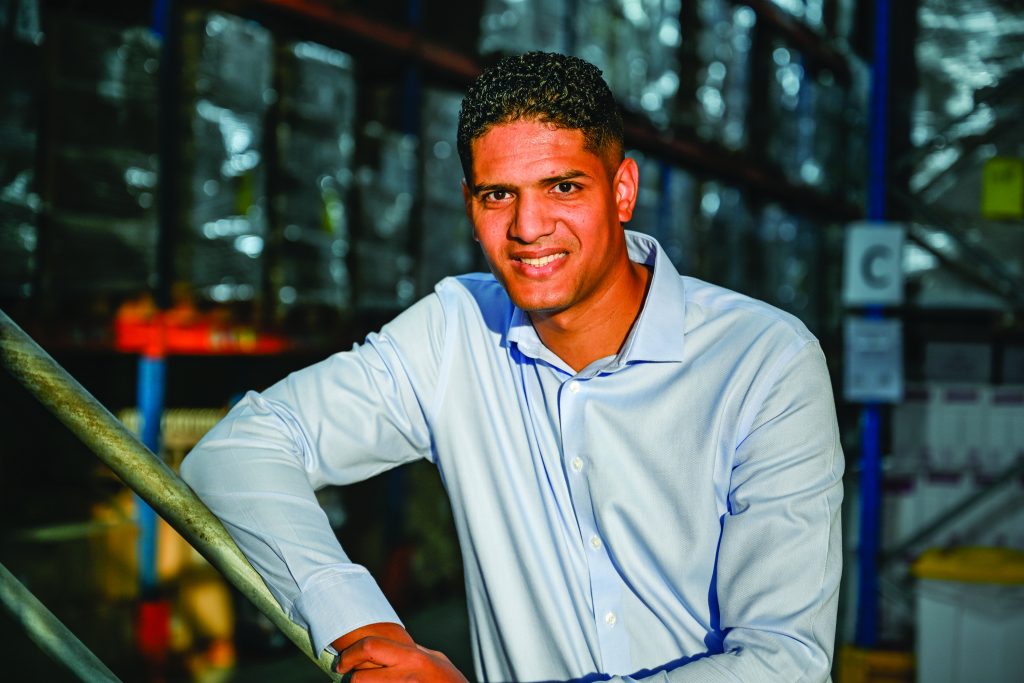
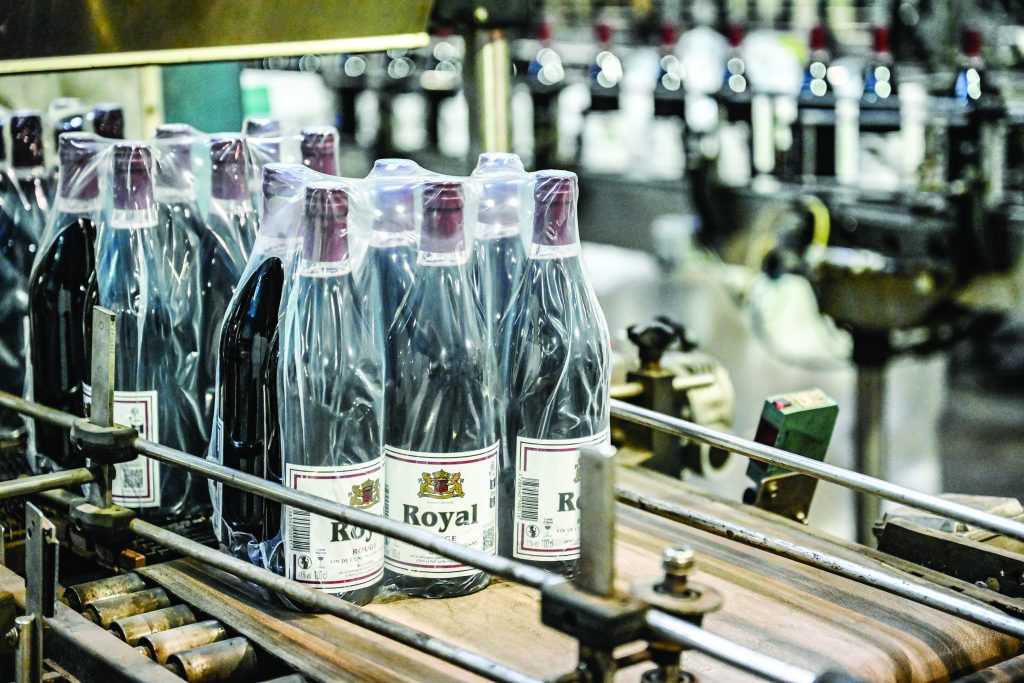
I would say that this is a new internal organization that wants to be more efficient. However, I want to emphasize that we remain very attached to our emblematic brands, who are always bottled in Covino's mind. I am talking about royal wine brands, Bouton d’Or, Peyssard, Robitaille. If the industrial tool is modernized with a desire to go upmarket, It does not mean that they have changed. Besides, On these bottles, Our trade name vis-à-vis our end customers remains the same : Wine Company of the Indian Ocean. For my part, I consider that it is a duty to keep these emblematic brands and to continue to offer them to their loyal customers. That being posed, Nothing prevents us from dreaming greater and to bottle other national brands. This will be the case with old popes, flagship brand of the Castel group which, for us, will open this path. The goal is to gradually expand our offer of castel wines. So we live the end of a chapter, But we still have many pages to write : The frame of our upcoming history is quite clear.
How is Castel, in this mid-2025, on the Reunionese drinks market ?
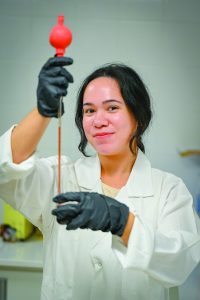
Quality, Hygiene, Security
and environment (Qhse).
In mass distribution, If the first quarter was a little below our forecasts, The second quarter was better : Our volumes have stabilized. We remain a key player in a wine market faced with global deconstation. We also feel this trend in Reunion. But we manage to limit this decline thanks to brands recognized by the Reunionese and to more wines in the air of time that energize the market expected by our consumers. At this level, Our field sales teams do fabulous work. We are lucky to have a business that works really well on this plan. On the CHR part also, Our team has very high credibility for customers : relationships are old and customers know that they can count on us. This commitment to customers is one of our forces that has been built over time. At Nicolas too, The first quarter was a little below the objectives that we set ourselves, Then the indicators left upwards. We see a very good attendance in our 10 Nicolas cellars, which compensates for the observed decline in the average basket. Nos clients, whatever the circuit, trust us. Confidence, it is, I believe, The word that must be remembered and which encourages us every day to maintain work and our flawless commitment to our distributors and consumers.
Does the beer market compensate for the deconstation of wine ?
He strongly contributes to it. Beautiful beer brands are in our catalog : Leffe, Hoegaarden, Crown, Bud. Without forgetting the THB, Star brasserie brand, Our sister subsidiary based in Madagascar, works very well. Other partnerships are possible to develop this beer offer. I think about it. We are open, And I would even say on the lookout, to be able to meet all expectations. At Nicolas, For example, Our doors are wide open to local offers. Almost all of the Reunionese craft brasseries are present at Nicolas.
Castel has been alongside the company for over 50 years ! That this longevity and fidelity inspire you, all quite remarkable in the industrial landscape of Reunion ?
Castel is an international group with family governance. Loyalty is clearly one of its values. I started myself at Castel myself in 2011, I directed the Caves Reunion Nicolas. I remember asking the director general of Covino at the time, who was going to retire in a few years : If you leave, What will happen ? He had reassured me by explaining the importance of Reunion Island for the group. M. Castel always recalls that the meeting is a French department like any other and that in the organization of the group we must be considered as such. I would summarize that, For the Directorate General Castel, Reunion is not a "export" territory, But a full -fledged department in which we are all proud to be present.
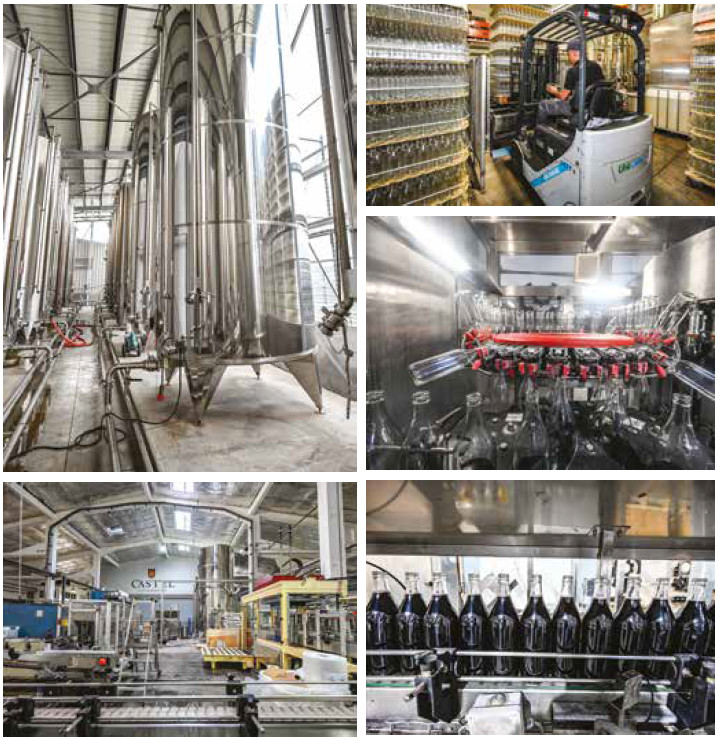
With the development of its traffic jam capacities, Castel-Covino was given, about ten years ago, The goal of increasing its volumes. This goal is still topical ?
These last years, Bouting volumes were rather down due to the situation of wine consumption, Declining for several years. As I said, Our work on the offer made it possible to stabilize volumes.
In 2024, We have cluttered 4,200,000 bottles (eq. format 75 cl). We also bottle wines in other format : in the liter, and bag-in-box, etc. Group's investments in its Reunion subsidiary will now allow us to develop the traffic jam of national brands and thus maintain, or even increase, volumes. This is my goal, as general manager, because the economic lung and our knowledge- Doing is local traffic jam. The traffic jam creates value, employment and diversification in the offer.
Three years after its launch, How is the Paille-en-Queue brand ?
"From graphic creation to
The traffic jam, It's in Reunion
May our wines come to life. »
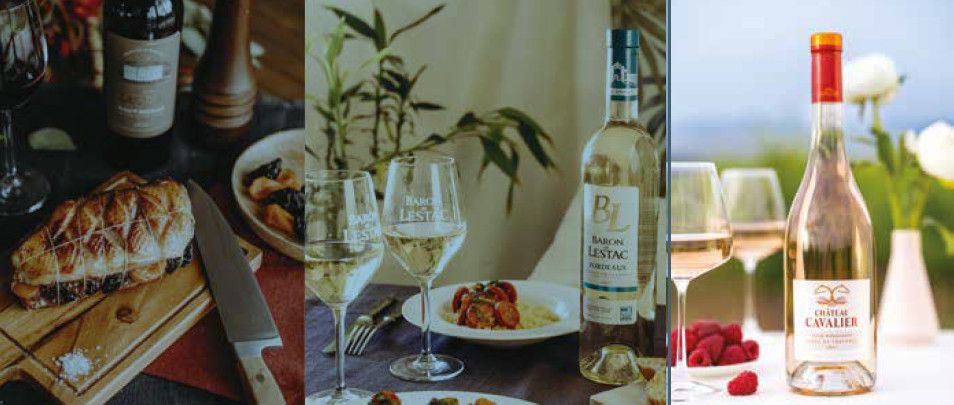
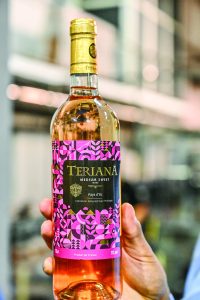
Launched in 2022, The Paille-en-Queue brand became known very quickly. It is fully part of the company and its offer. Like any young brand, its identity and taste signature are gradually built. At the base, I wanted with Paille-en-Queue a brand which pays homage to Reunion and which is very quickly spotted on the shelves with its blue labels. This step reached, It was better to redefine the positioning of this product. I gave carte blanche to our marketing director, Christine Lauret, And it is on the basis of a new specifications that Paille-en-Queue evolves, with a more modern and impactful design and a renewed range, better suited to consumer expectations. Alongside our Languedoc and our Côtes-du-Rhône, Our Best Sellers-Enqueue Best Sellers, We have launched a soft white in AOC Bergerac which has already found its customers. We have also launched an OC Pinot Noir Pay, emblematic grape variety of Burgundy wines, A friand wine, in consistency with the tropical climate of Reunion. And we have changed our rosé proposal by opting for a gray gray, more mineral and offering more freshness in the mouth than the Mediterranean IGP. Finally, We have changed our rifle in Bordeaux by offering a Bordeaux with more wooded notes, Better harmonized to Reunionais dishes for food and wine agreements.
Will you also develop your brand distributor activity, Like your partnerships with Diageo and Isautier ?
Spirits represent for us a complement of range, exclusively distributed in Nicolas and CHR circuits. Their development remains open, unrequisite. In the same way as the offer of craft beers from Reunion, They allow us to enrich our service to customers, while integrating local players into our distribution activity. A winning-win approach that supports the local economy while expanding our portfolio.
Comments collected by Olivier Soufflet
Photos (p. 25 to 28) Pierre Marchal