

A new report published by the Changing Markets Foundation (CMF) met exposes the fashion industry's dependence on fossil fuels and calls on the EU to take decisive actiongislatives fortes.
According to a new report, the global fashion industry has developed a dangerous dependence on synthetic fibers, produced from fossil fuels that are harmful to the environment, like oil and gas, in order to fuel its economic model based on fast fashion. The report, Fossil Fashion: The Hidden Reliance of Fashion on Fossil Fuels (« Fossil fashion : fashion's hidden dependence on fossil fuels »), shows how the use of synthetic fibers, and more particularly polyester, has doubled over the last twenty years. This should continue to grow : it could represent almost three quarters of global fiber production in 2030 and polyester could represent 85% of this share.
Textiles are used in all kinds of products such as clothing, the shoes, rugs or furnishings, but the fashion sector represents 70% of the global market in 2019. Currently, Polyester is found in more than half of all textiles produced in the world. While in 2015, the carbon footprint of polyester production represented 700 million tonnes of CO2, the equivalent of the annual emissions of Mexico or 180 coal-fired power plants, it is estimated that it will double by 2030.
Up to 20 collections per year !
The oil and gas industry is betting big on plastics, from which polyester and other synthetic fibers are produced. In cause : falling revenues from other sectors, such as transport or energy. Future growth in oil demand should therefore come mainly from the production of plastics which could represent, according to BP, up to 95% of demand. In addition, the production of synthetic fibers is becoming more and more polluting with raw materials derived from gas obtained by hydraulic fracturing, and the main Chinese polyester producer plans to invest several billion dollars in the manufacture of polyester yarn from coal.
The report also reveals a striking correlation between the rise of polyester and the explosion in the production of low-quality, cheap clothing., which causes a waste crisis which continues to worsen. Some brands produce up to 20 collections per year and global clothing consumption has increased by 60% over the last 15 years., while their lifespan has been halved. And the trend is expected to get worse : with 62 million tonnes to its credit in 2015, global fashion industry production expected to rise further to 102 million tonnes in 2030.
In France, 600,000 tonnes of clothes thrown away each year
Studies show that these trends go against the expectations of the French towards the sector. A 2019 survey reveals in particular that nearly nine out of ten people (88 %) want clothes that last longer. The French fashion industry constitutes a significant part of the country's economy, representing 2,7% you PIB national. The sector has a turnover of 150 billion euros and generates one million jobs. While 2,6 billion items of clothing and accessories were sold in 2017, a total of 624,000 tonnes or 9,5 kilos per inhabitant, 600,000 tonnes of clothing and accessories are thrown away each year.
“Few consumers are aware of the fact that fast fashion is actually ‘fossil fashion’. Fashion brands' addiction to cheap polyester and other petroleum-derived fibers comes at a time when the world is gradually moving away from fossil fuels. But instead of abandoning synthetic fibers, which constitute an ecological disaster, the brands want you to think that they have the situation under control and that they can continue to produce more and more clothes” denounces Urska Trunk, campaign director of Changing Markets Foundation.

Mountains of waste, oceans of microfibers
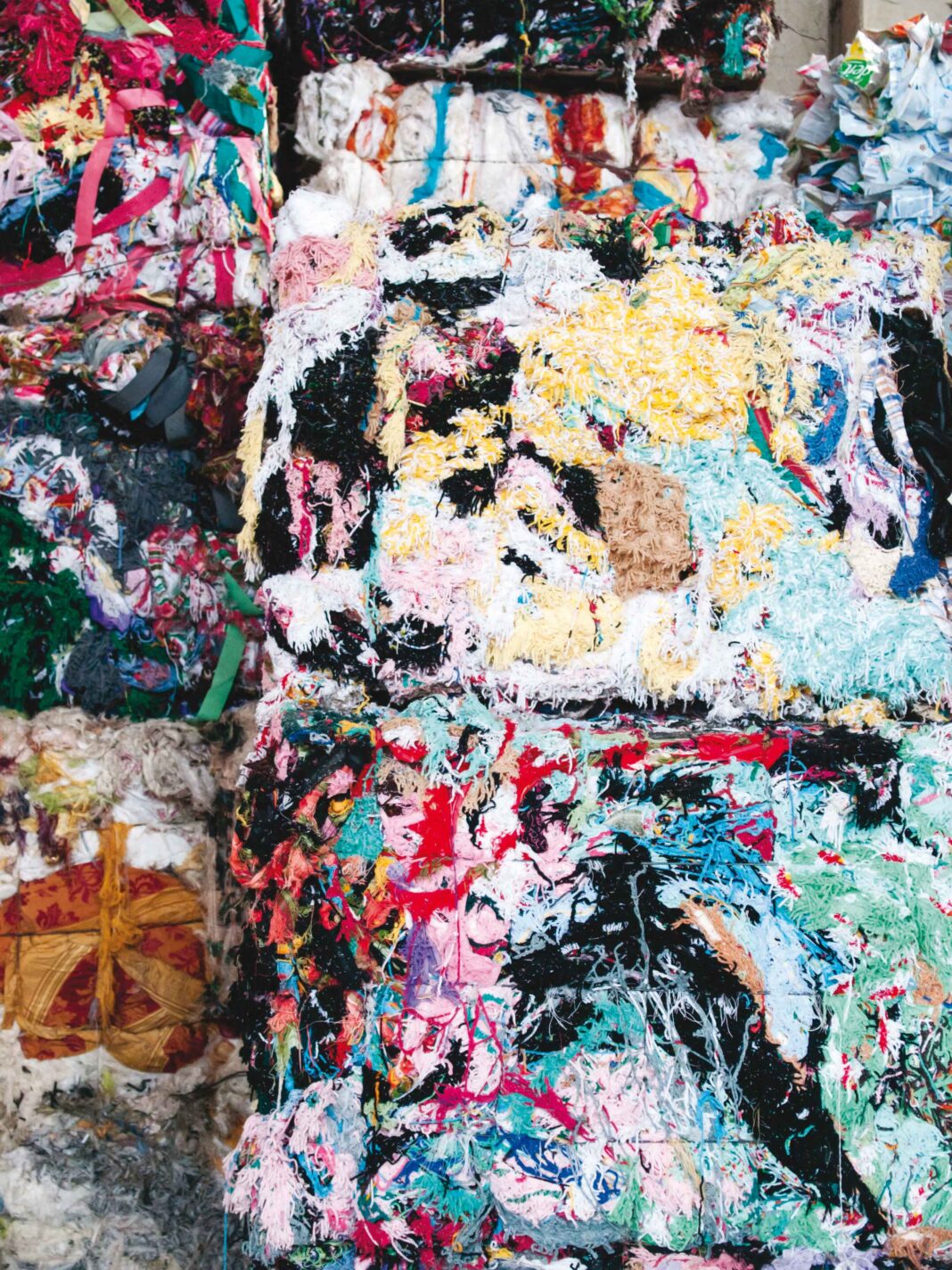
Dependence on synthetic fibers and rampant consumption of cheap clothing leads to unsustainable amounts of clothing waste, knowing that 87% of the fabrics used to make our clothes are incinerated, sent to landfills or thrown into nature. When using them, washing and disposal, synthetic textiles release tiny fibers invisible to the naked eye. These “microfibers” are not biodegradable and will remain in nature forever. Therefore, we find these microfibers everywhere : in the Arctic Ocean, in our food chains, in our lungs and into our stomachs. Microfibers are also present in 80% of tap water and have even been found in the placenta of unborn babies.. If we do not yet know all the consequences of these microfibers on health, we already know that they are harmful to marine species and preliminary studies have shown that they can disrupt lung development.
For Muriel Papin, general delegate of No Plastic In My Sea, “this report confirms our warnings about the major risks linked to the pollution of textile microplastics. For several years, we invite consumers to choose natural fibers, unfortunately not very available on the market. More globally, the report shows the urgency of reducing our clothing consumption. »
The authors of the report
Changing Markets Foundation
Working with NGO partners on market-focused campaigns, its mission is to expose the “irresponsible” practices of companies and bring about changes that move in the direction of a more sustainable economy.
Plastic Soup Foundation
NGO based in Amsterdam, whose objective is to put an end to plastic pollution at the source.
Zero Waste Alliance Ukraine
Public association that brings together zero waste initiatives.
Clean Clothes Campaign
The Clean Clothes Campaign is an international network of human rights organizations committed to improving working conditions and empowering workers in the clothing and sportswear sector across the world. world.
WeMoveEU
We Move.EU (Let's move Europe) is an independent organization which aims to form a powerful collective force of citizens to transform Europe and make it more humane, democratic, fair and sustainable.
No Plastic in my Sea
No Plastic in my Sea aims to fight against plastic pollution and its consequences on the marine ecosystem.