
According to an Ifop study carried out with the NGO Aquaculture Stewardship Council, despite inflation, six out of ten French people are ready to buy a more expensive seafood product, if he was raised with a responsible approach.
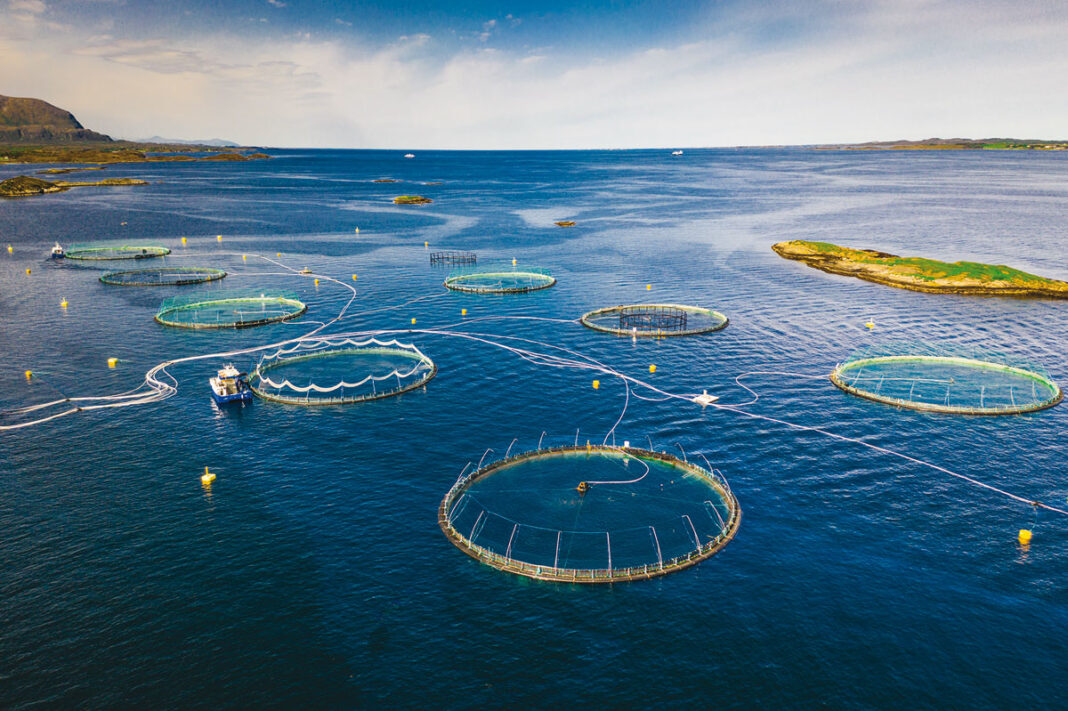
If nine out of ten French people think they know what aquaculture is, only 15% are able to define it precisely. Or, a French person consumes on average 33,5 kg of poissons, shellfish and crustaceans every year, and 32% of these seafood products come from farming. Aquaculture therefore plays an important part in the consumption of seafood products in France.. However, the Ifop study carried out with the Aquaculture Stewardship Council (ASC) shows that the French lack reliable benchmarks and expect more transparency on breeding practices. NGO created in 2010 at the initiative of the WWF, l’ASC, whose mission is to transform aquaculture (fish farming, shellfish and crustaceans) to make it more environmentally friendly and more socially responsible, highlights the results of this study. “Aquaculture represents a significant part of the consumption of seafood products in France, there is therefore a major challenge in ensuring that its practices are supervised, verified and improved, in order to guarantee food safety while respecting the environment, aquatic environments, species and human rights”, Cherish Camille Civel, director ASC France.
For a farm-to-fork label
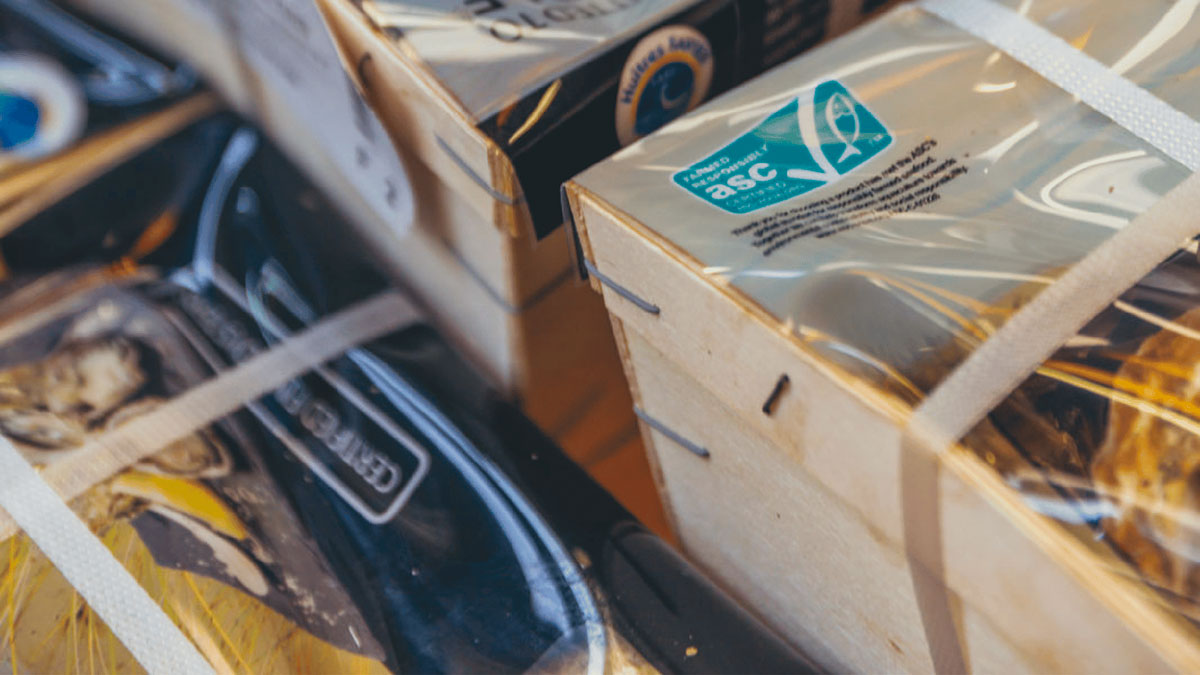
An observation shared by the French since 90% of them want aquaculture to be more supervised. Indeed, almost half of French people are aware of the possible negative impact of conventional aquaculture on the environment and the ecosystem around farms. However, solutions exist. This is what the ASC stands for, notably thanks to its certification program and its standards based, for each species, based on around a hundred scientific and measurable criteria, the correct application of which within farms is verified each year by an independent audit body. “From farm to fork, the ASC is doing everything it can to try to regulate aquaculture and offer a label that functions as the eyes and ears of consumers to ensure that the products have been raised with care in a responsible approach.”, testifies Camille Civel. Three quarters of French people are aware that responsible aquaculture is more respectful of the environment, animal welfare and biodiversity. It is considered a more reassuring solution for the French.
Another way to develop
If one in two French people believe that aquaculture helps reduce pressure on wild fish stocks, they still remain cautious about its role for global food security and its future as a main food resource of aquatic origin. Caution regarding certain breeding practices shared by the ASC. The NGO works precisely for this purpose. It supports players in the sector who wish to commit to more responsible aquaculture in order to be able to feed the population while preserving resources.. A mission which aims to offer consumers a real solution for consuming seafood products from responsible farms.
 A climate strategy for aquaculture
84% of French people think that responsible breeding can help meet the demand for healthy, nutrient-rich foods from a growing global population.. Vitamin D, low calorie omega 3, Seafood products represent less carbon-intensive sources of protein and use fewer resources for 74% of French people. A third say they favor seafood to reduce their meat consumption.
 Responsible aquaculture : a selling point
The study indicates that, despite inflation, six out of ten French people are ready to buy a more expensive seafood product, if he was raised with a responsible approach. A trend also noted by the ASC which, despite this inflationary context, saw the sales volumes of ASC certified aquaculturists maintain on the French market between July 2022 and July 2023. “These elements prove the importance of continuing to defend more respectful methods, so that responsible breeding becomes the purchasing standard for consumers”, says Camille Civel.
Quantitative study carried out online and self-administered from June 1 to 5, 2023. Information was collected from a nationally representative sample of 1,000 individuals aged 18 and over.
L’Aquaculture Stewardship Council (ASC) is an independent international non-profit NGO dedicated to transforming aquaculture (fish farming, shellfish and crustaceans) to make it more environmentally friendly and more socially responsible. It supports stakeholders in the sector – farms, suppliers, distributors and restaurateurs – who wish to commit to responsible aquaculture in order to be able to feed the planet while preserving marine resources and the environment.
fr.asc-aqua.org