Since January 1, The anti-gaspillage law for a circular economy (AGEC), whose objective is to achieve zero disposable plastic by 2040, prohibited from including the words “biodegradable” and “environmentally friendly” on packaging.
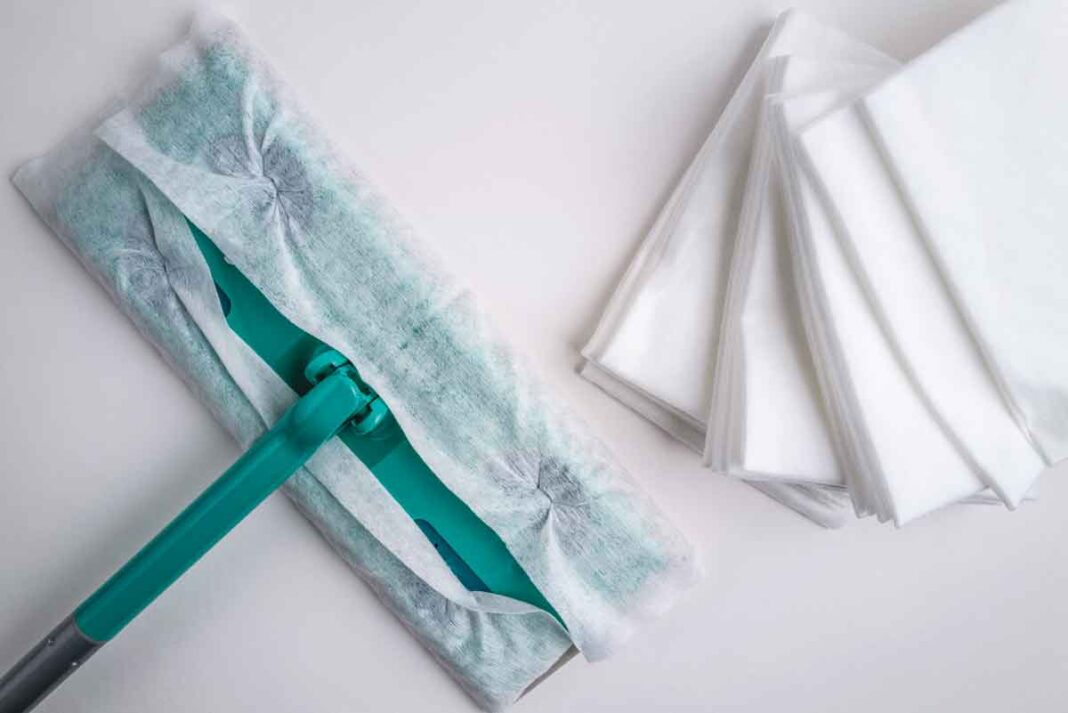
Non-profit association, the Water Information Center (C.I.water) was created at the initiative of professionals who manage public water and sanitation services in France. It draws our attention to the environmental problem posed by wipes and to this aspect of the AGEC law.. The use of disinfectant wipes exploded during the various confinements. This real scourge for our sanitation system was already denounced in March 2020 following the cry of alarm from water companies who informed that nearly three-quarters of their field interventions concerned the unblocking of wastewater pipes because of wipes. ! Article 13 of the AGEC law (Anti-Waste for a Circular Economy), forbidden, since January 1, 2022, to write on packaging or on a product : “biodegradable”, “environmentally friendly” or any form of similar statement. Despite the manufacturers' display on the packaging (barred bowls), too many wipes are still thrown away, by reflex, in the toilet. This is a mistake, because despite the “biodegradable” mentions they do not dissolve like toilet paper. Result, they cause blockages in pipes and breakdowns in wastewater treatment plants.
Plastic and biocides
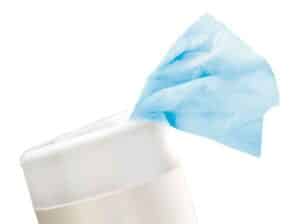 The Zero waste study on the impact of single-use products reveals that, if they are practical, these small textiles contain plastic and are impregnated with lotions that, once flushed down the toilet, cause pollution in water and air. This is particularly the case for wipes for household use which contain biocides.. The Water Information Center calls for changing habits by moving from the logic of single use to that of reuse with reusable products. For example, prefer a mop and rags that can be washed, rather than disposable wipes. An ambitious objective since, according to a report published by Data Bride Market, the wipes market is expected to increase by more than 6% in the coming years. The Water Information Center highlights that disposable wipes are one of 10 single-use products, plastic based, most frequently found in the environment. To get an idea of what’s at stake, You should know that the amount of damage generated by wipes in wastewater treatment plants in the European Union is estimated between 500 and 1,000 million euros. (EurEau position paper 2014).