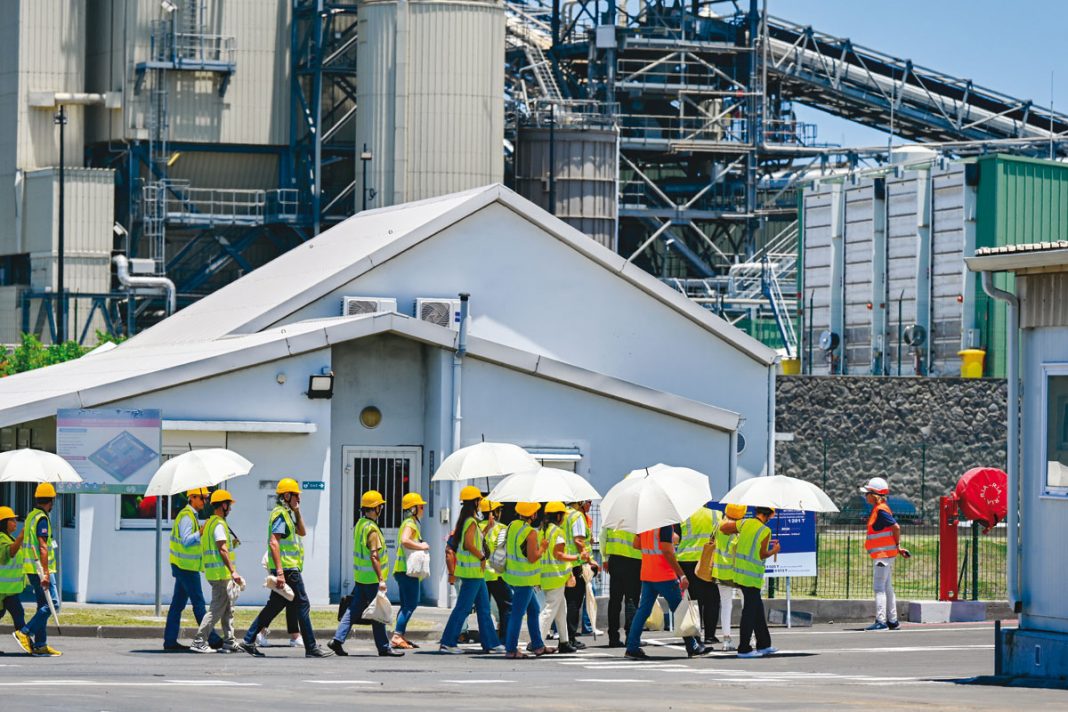
The inauguration, December 6, of the enlarged and modernized platform of transit of hazardous industrial waste (DID) de Saint-André has been an opportunity for the operator to show and explain in detail his complete technical and regulatory control of the pre-treatment of the Didiles for their shipping in metropolitan France. It is also an opportunity to recall the hazardous waste consulting and analysis services that SUEZ Recyclage et Valorisation Réunion is the only one to date to be able to offer locally to businesses and communities..
The law is clear : “A company that produces or holds hazardous waste is responsible for its management. It must ensure the elimination (or have it disposed of by a third party) in conditions that allow harmful effects on the environment to be avoided as much as possible. » This official definition gives the measure of the challenge represented by the collection, pretreatment and storage of DIDs provided by SUEZ Recyclage et Valorisation Réunion on its Bois-Rouge platform in Saint-André. Except for the recycling of lead-acid car batteries, no recycling or elimination system exists in Reunion for this type of waste, they are therefore shipped to mainland France. There is no doubt that the credibility of the operator has been further strengthened among visitors., including many companies, invited to discover all its components of this new installation. The extension and modernization of the DID storage site, created in 2004, required a year and a half of work to increase its capacity and bring it up to the most restrictive standards applying to solid or liquid DID. A complex area covering a large number of wastes (hydrocarbons, painting backgrounds, solvents, batteries, etc.). On a Reunion Island deposit now approaching 10,000 tonnes of DID exported per year, SUEZ Recycling and Recovery Réunion processes 5,000 to 6,000 tonnes. Consequently, the motivated and attentive public of representatives of companies and community customers of the operator discovered with satisfaction the high level of security and control demonstrated by this site. And even more since the Reunion operator opened on this platform the first workshop in France for pre-treatment and packaging of used lithium-ion batteries for electric vehicles.
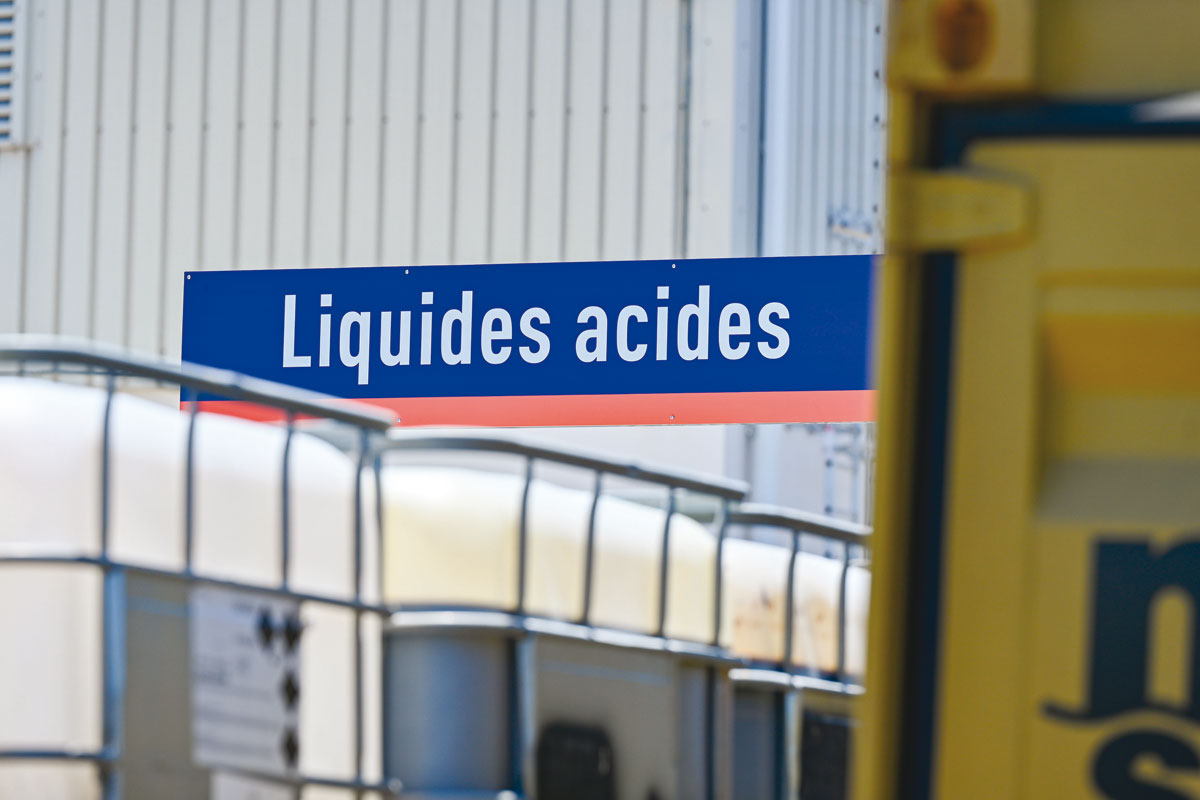
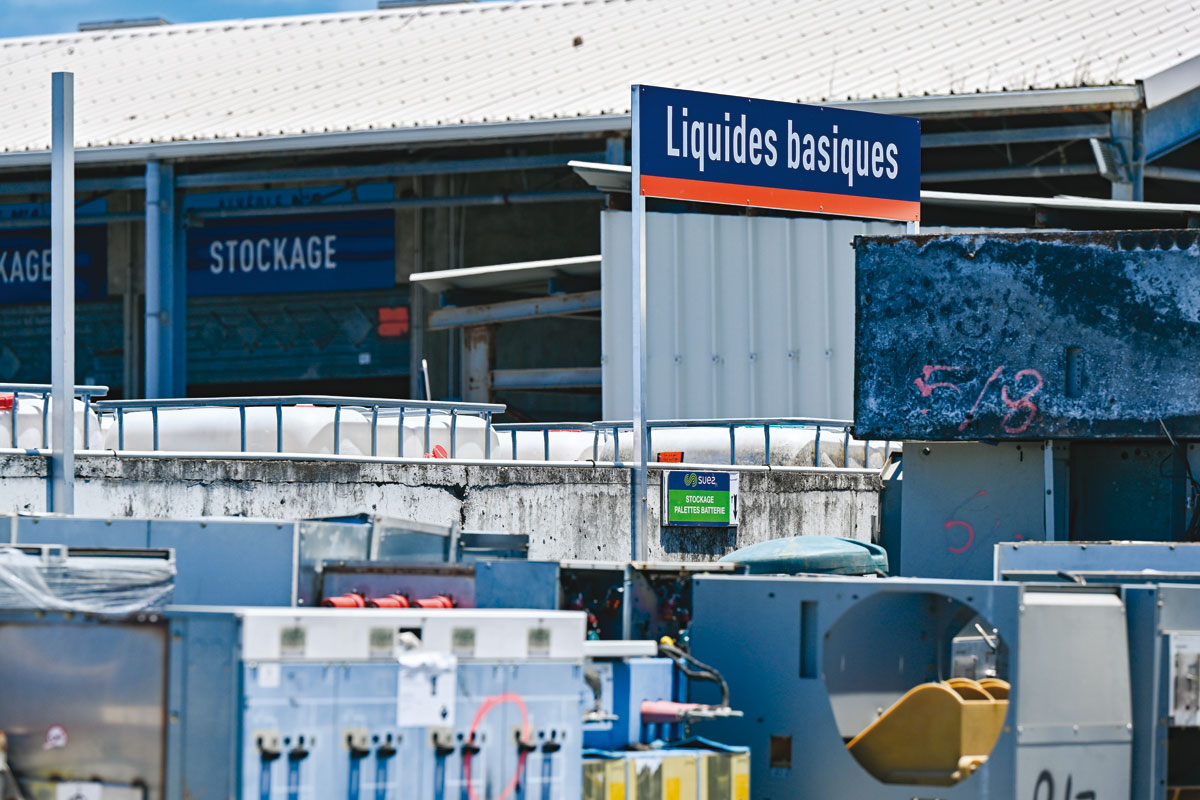
Storage capacity tripled

The DID platform can handle the majority of hazardous industrial waste, with the exception of explosive waste, radioactive or infectious risks. It guarantees supervised and secure treatment. The infrastructure has benefited from the addition of advanced equipment to improve its efficiency. Its storage capacity increased from 400 to nearly 1,300 tonnes. This expansion solves the difficulty of storing hazardous waste, whether they come from businesses or communities, after the bad experience experienced during the Covid crisis when, lack of available freight, the DIDs which could no longer be exported had first saturated the collective storage capacities, then had accumulated among the producers themselves. SUEZ Recycling and Valorisation Réunion can also pride itself on solving, thanks to its specific workshop, the problem of maritime transport of waste lithium-ion batteries that shipping companies refused to load because of the risk of explosion.
Hazardous waste expertise
The DID platform has a hazardous waste analysis laboratory. The inauguration was an opportunity to highlight the advantages of this local resource, unique in Reunion : waste analysis no longer requires sending samples to metropolitan laboratories*. At stake, saves time and no shipping costs. Created for the needs of the platform, the waste analysis laboratory of Suez Recyclage et Valorisation Réunion also meets the needs of businesses.
* See also Leader Meeting No. 230, mars 2024, and on leaderreunion.fr.