

Despite a succession of crises over the past five years, Household consumption has resisted in Europe. Having fun and ensuring comfort are the two main drivers expressed by consumers. The Cetelem Observatory consumption study was carried out in 10 European countries with 10,792 people., including more than 3,000 in France.
Household consumption directly influences the economic health of a country and holds a prominent place in societal and political debates., whatever its developments. Although subject to contradictory injunctions, consumption remains a reality deeply rooted in the daily lives of individuals. It reflects constantly evolving choices and behaviors. The 2025 edition of the Cetelem Observatory's consumption study takes stock of the drivers of consumption and the paradoxes faced by consumers. So, for 73% of Europeans, overall consumption has increased compared to ten years ago. But the overall perception of consumption carries negative impressions for six out of ten Europeans. The notions of waste and excess are markers of a certain guilt in the face of the consequences of overconsumption. For the vast majority of Europeans, the drivers of consumption are pleasure (70 %) and good living (67 %). Pleasure comes above all through escape : a third of them (33 %) primarily favor travel and getaways. However, nine out of ten Europeans could consider consuming less, while six out of ten people surveyed believe they do not have the means to consume as they wish. The French are those who say they restrict themselves the most when it comes to purchases.
Morale rises, except in France
European morale continues to slowly recover in 2025, for the second year in a row. On a scale of 1 to 10, the score to describe the situation in their country shows a very slight increase to 5,2 points (+0,1 point), and that concerning their personal situation stabilizes at 6 points. France stands out as the only country going against the tide for this first indicator with the lowest score : the perception of the overall situation in France stands at 4,6 points this year, against 4,9 points in 2024. Confidence in their personal situation remains at 5,9 points. Beyond the historical tendency of the French to be less optimistic than the European average, this result highlights a clear break that can be explained by the uncertain political context in which the country navigated last year.
Things are improving for purchasing power
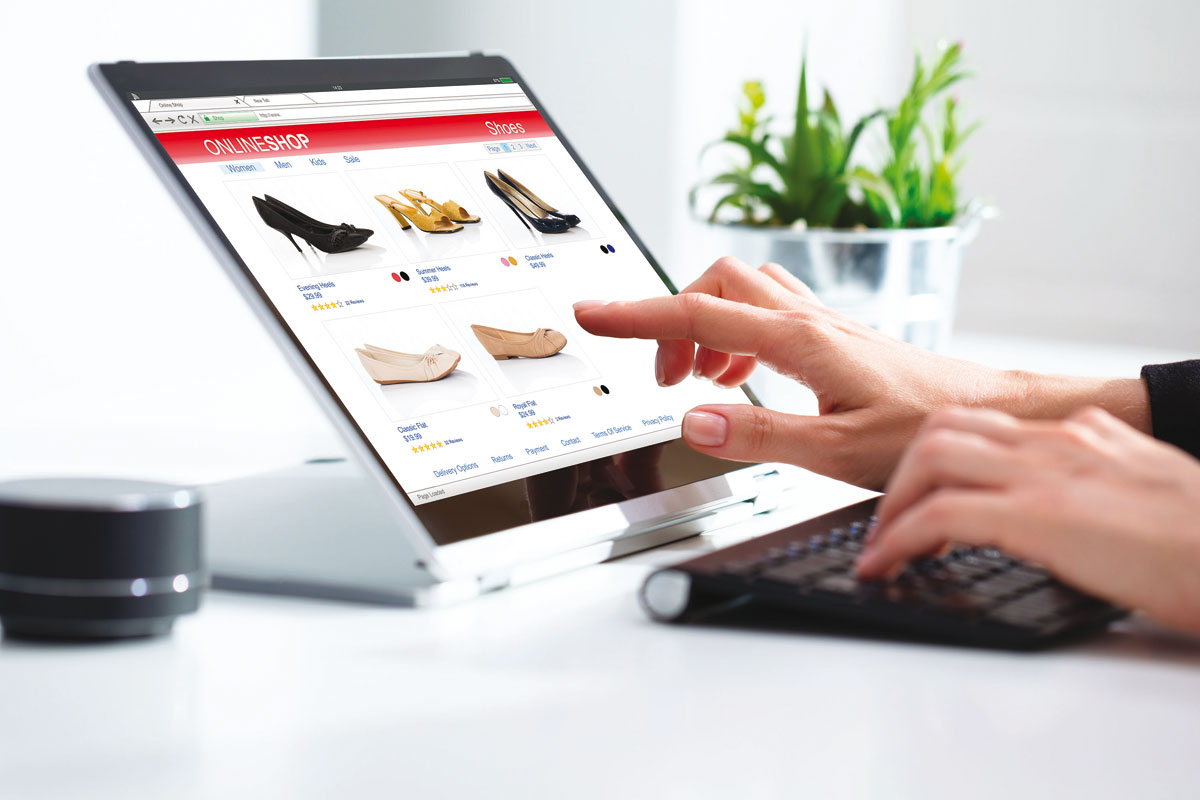
And, in 2024, 48% of Europeans felt that their purchasing power had decreased over the last 12 months, Only 39% think so this year, while more than 50% judge that it has increased or remained stable. Even if concerns remain high in France and Portugal, where respectively 48% and 43% of respondents believe that their purchasing power has decreased, these results mark a clear decline compared to 2024, especially in Portugal (-15 points ; -7 points in France). The increase in remuneration can explain this improvement in the perception of the purchasing power of Europeans. In 2024, salaries have increased on average by 5,4% in the European Union, leading to a 3% increase in purchasing power, once inflation is deducted. However, this does not yet compensate for the 5% loss recorded since 2021.
Caution dominates purchasing intentions
While economic experts are unanimous in highlighting a faster control of inflation than expected, the Europeans surveyed do not seem to share this optimism. Indeed, 45% think that prices have “significantly increased” in one year, a sharply declining figure (-14 points over one year, -24 points over two years). Once is not customary, the perception of the French is more measured. 36% believe that prices have increased. With 43% of Europeans planning to increase their spending in 2025, the consumption context is marked by caution. However, intentions vary depending on the country. : four countries claim increasing consumerist intentions, while six countries anticipate a decline. In France, despite a result below the European average, purchasing intentions increase slightly to reach 41% (+1 point over one year). This leading indicator of household consumption indicates that the year 2025 should be marked by a slight increase in this engine of the European economy.
Savings are still popular
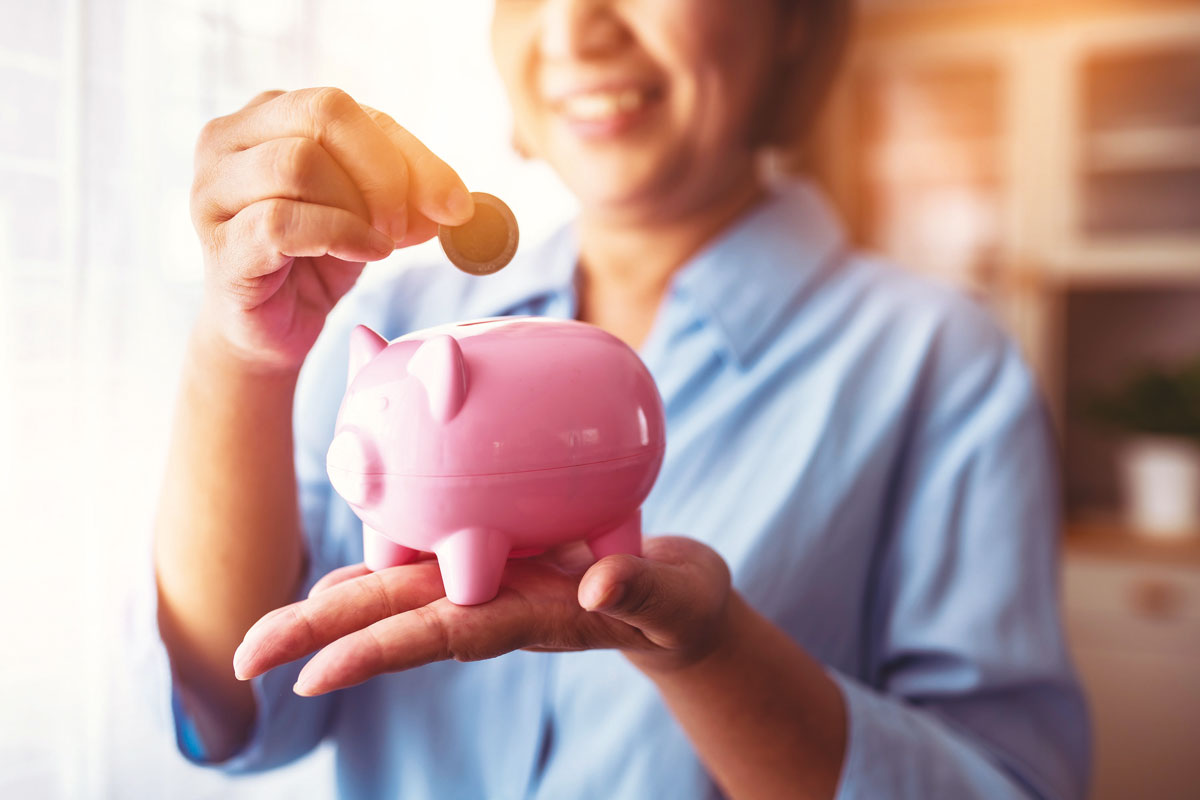
Since 2019, the majority of countries are experiencing sustained growth in saving intentions. This trend is confirmed in 2025, with 55% of Europeans wanting to put more money aside, an increase of four points compared to 2024. While savings intentions stand at 67% in Romania, 65% in the United Kingdom and 58% in Poland, they are “only” 43% in France (+1 point over one year) and 47% in Belgium, only countries below the European average. This precautionary attitude is explained in particular by the desire to maintain budgetary latitude., while public deficits have rarely been so high, raising fears of possible tax increases likely to weigh on purchasing power.
Reasoned consumption
The image of consumption is rather negative, especially in Portugal and France. Should we see a link with the feeling of guilt that it could generate ?
The overall perception of consumption carries negative impressions for six out of ten Europeans. This perception is particularly pronounced in Portugal (76 %) and in France (70 %). otherwise, the lexical field which best reflects the current vision of Europeans on consumption reflects this resentment : above all, it evokes waste (for 23% of those questioned) and the excess (16 %). However, with an average rating of 5,3 out of 10, Europeans believe they consume wisely, like consumption strategists with carefully considered choices. Overall, they believe they have good control over their spending items, whether it concerns subscriptions and services (85 %), insurance (83 %), constrained spending (82 %), leisure (81 %) or food (79 %). This budget management is also considered the main source of pride in terms of consumption. (83 %), followed by the ability to make good deals (82 %). Consuming responsibly and having fun obtain similar scores (77 %), proof that these notions can coexist for Europeans. Note that the French are those who restrict themselves the most when it comes to purchases : only 30% say they consume more material goods than ten years ago, and 37% for intangible goods, unlike the Spanish (41 % et 52 %) and the Portuguese (46 % et 49 %).
Survey methodology
The Cetelem Observatory is a study and economic monitoring structure of BNP Paribas Personal Finance, created in 1985 and directed by economist Flavien Neuvy. The quantitative consumer survey was conducted by Harris Interactive from November 4 to 14, 2024 in Germany, Belgium, Spain, France, Italy, Poland, Sweden, Romania, in the United Kingdom and Portugal. In total, 10,792 people aged 18 to 75, from national samples representative of each country, were interviewed online : 3,058 interviews were carried out in France and more than 800 in each of the other countries.